Mississippi will reexamine judicial redistricts after US Supreme Court rules in voting rights case
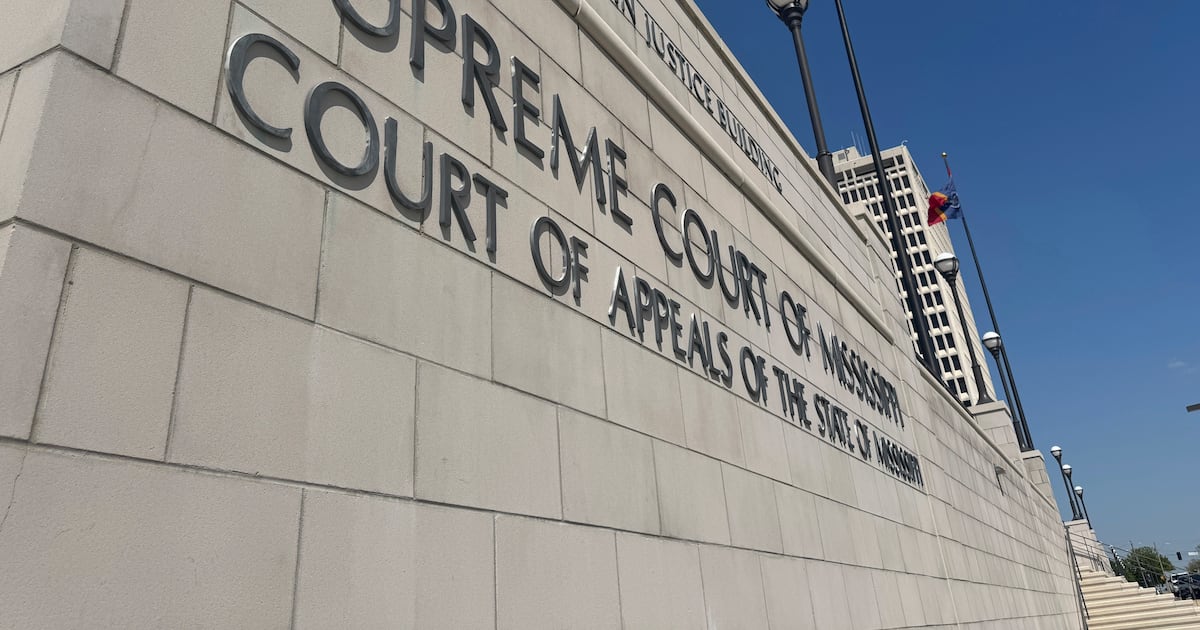
Mississippi Governor Tate Reeves announced he will call a special session for judicial redistricting once the U.S. Supreme Court rules on a Voting Rights Act case with broad implications for minority representation nationwide.
The case, Louisiana v. Callais, challenges Section 2 of the Voting Rights Act, which has been the primary legal tool for countering racially discriminatory election practices since the Court gutted Section 5 in 2013. During oral arguments last fall, the Supreme Court appeared poised to strike down or severely limit Section 2, which would remove the federal framework for challenging racially gerrymandered districts.
Related
Stay Informed: The Best Political Books of 2026Deepen your understanding of the forces shaping American politics.
A ruling is expected before the Court's term ends in June. If Section 2 is struck down, states would have far more latitude to draw district lines without federal oversight, and minority voters would lose their most effective legal mechanism for challenging maps that dilute their voting power.
Mississippi's proactive move signals that state leadership is preparing for a post-Section 2 landscape. Judicial redistricting in Mississippi has been a particularly fraught issue, with the state's current judicial districts criticized for concentrating Black voting power into a small number of districts while diluting it across others.
The implications extend far beyond Mississippi. If Section 2 falls, redistricting challenges in every state would need to rely on the Constitution's Equal Protection Clause — a higher bar that requires proof of discriminatory intent rather than discriminatory effect. The practical result would be fewer successful challenges to maps that disadvantage minority voters.
**What This Means For You:** If the Supreme Court strikes down Section 2, the legal landscape for voting rights changes fundamentally. States with histories of discriminatory redistricting would face fewer federal constraints. For anyone concerned about representation, the most actionable response is local: participate in your state's redistricting process, support organizations doing redistricting analysis, and vote in state-level elections where these decisions are made. Federal protection is eroding; state-level engagement becomes more critical.
Originally sourced from The Atlanta Journal-Constitution
Related Stories
Woman, Her 5 Children Released From Longest ICE Detention of a Family Under Trump
A woman and her five children have been released from Immigration and Customs Enforcement custody af...
Who\'s in Trump\'s Ear / Ceasefire Extension / Life Inside Iran
The ceasefire between the United States and Iran has been extended, but the underlying crisis remain...
White House scrambles as Australian flags hung to greet arrival of King Charles
The White House found itself in an awkward diplomatic moment when Australian flags were mistakenly d...