Who's in Trump's Ear / Ceasefire Extension / Life Inside Iran
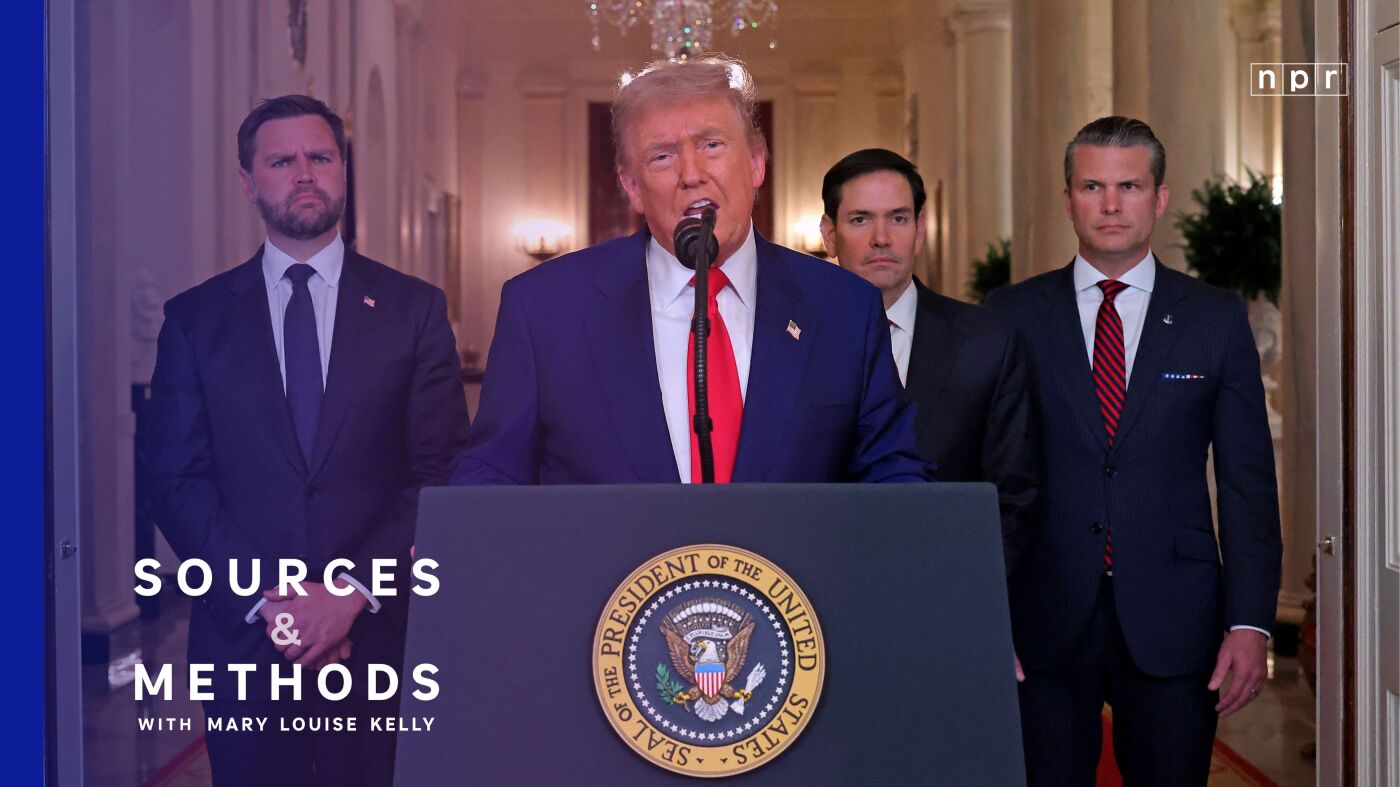
The ceasefire between the United States and Iran has been extended, but the underlying crisis remains far from resolved. The Strait of Hormuz — one of the world's most critical oil shipping chokepoints — is still closed, and no agreement has been reached on Iran's nuclear program.
NPR's Mary Louise Kelly spoke with National Security Correspondent Greg Myre and White House Correspondent Franco Ordoñez about the current state of affairs. The picture they paint is one of a conflict at a standstill, with President Trump struggling to negotiate a deal that satisfies both American security concerns and Iranian demands.
Related
Stay Informed: The Best Political Books of 2026Deepen your understanding of the forces shaping American politics.
The ceasefire extension provides a temporary reprieve from open hostilities, but it paper over fundamental disagreements. Iran has shown no signs of backing down on its nuclear ambitions, and the closure of the Strait of Hormuz continues to disrupt global energy markets, driving up oil prices and creating ripple effects throughout the world economy.
Inside Iran, daily life has been transformed by the conflict. Sanctions and military tensions have strained the economy, limited access to goods, and created an atmosphere of uncertainty for ordinary Iranians. Meanwhile, the question of who is advising the president on this crisis — and what kind of deal they believe is possible — remains a subject of intense speculation in Washington.
The broader concern is whether the ceasefire is merely a pause before escalation, or a genuine step toward negotiation. History suggests that ceasefires without underlying agreements tend to break down, often violently.
What This Means For You: The Iran situation affects gas prices, global markets, and national security — all of which hit your wallet and your family's safety. A closed Strait of Hormuz means higher energy costs at the pump. A failed ceasefire means heightened risk of military escalation. Pay attention to how this develops, because the outcome will shape the economic and security landscape for months to come.
Originally sourced from NPR
Related Stories
Woman, Her 5 Children Released From Longest ICE Detention of a Family Under Trump
A woman and her five children have been released from Immigration and Customs Enforcement custody af...
White House scrambles as Australian flags hung to greet arrival of King Charles
The White House found itself in an awkward diplomatic moment when Australian flags were mistakenly d...
White House mulls using Defense Production Act in Spirit Airlines takeover
The White House is considering invoking the Defense Production Act to facilitate a government-backed...