Iran's foreign minister leaves without meeting US envoys, Pakistani officials say
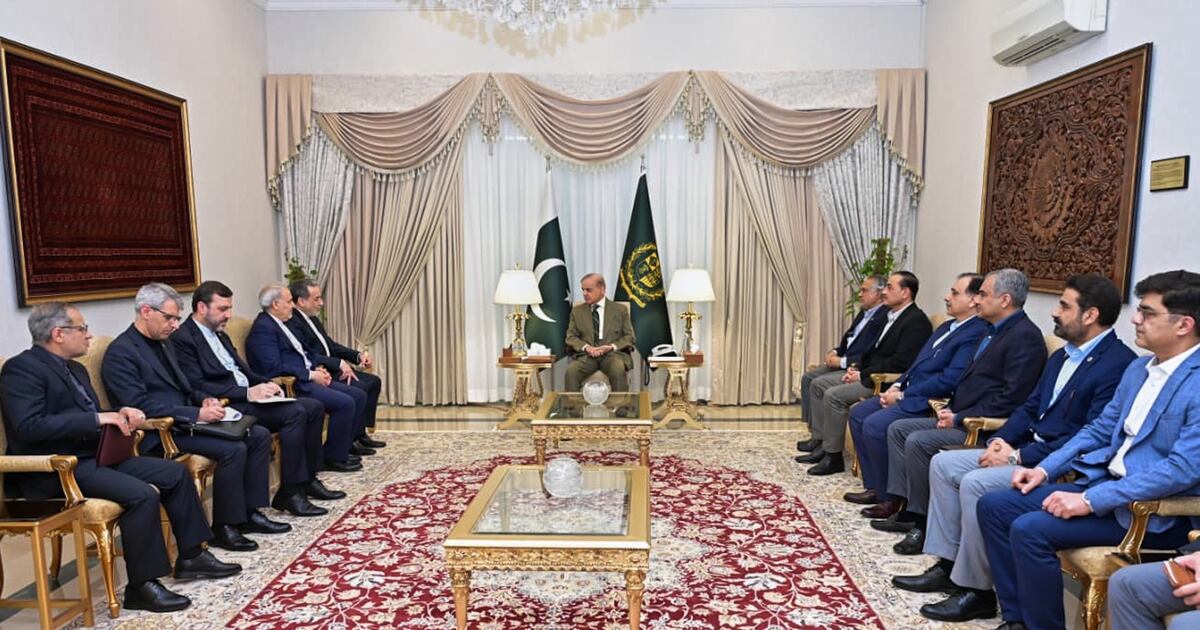
Iran's Foreign Minister Abbas Araghchi has left Pakistan without meeting the U.S. envoys who were en route for indirect ceasefire talks, according to Pakistani officials — a development that throws cold water on the latest diplomatic effort to end the eight-week-old Iran conflict.
The meeting was supposed to represent a potential breakthrough: indirect talks brokered by Pakistan, with U.S. special envoys Steve Witkoff and Jared Kushner traveling to Islamabad to meet with Iranian counterparts. Instead, Araghchi departed before the American delegation arrived, leaving the diplomatic channel uncertain and the conflict's trajectory unchanged.
Related
Stay Informed: The Best Political Books of 2026Deepen your understanding of the forces shaping American politics.
The timing is significant. Araghchi's departure came hours after the U.S. announced that Navy forces were actively clearing Iranian mines from the Strait of Hormuz, a military escalation that Iran has framed as an act of aggression. From Tehran's perspective, the mine-clearing operation may have invalidated the diplomatic track before it could begin — why negotiate a ceasefire while the other side is clearing your defensive measures from a strategic waterway?
The Trump administration has maintained that military pressure and diplomacy can proceed simultaneously, a posture that has drawn skepticism from foreign policy veterans across the political spectrum. The logic — force Iran to the table by making the cost of continued conflict untenable — requires that Iran actually comes to the table. Araghchi's departure suggests that the pressure campaign may be having the opposite effect: hardening Iran's position rather than softening it.
Pakistan's role as intermediary is also under strain. Hosting talks between the U.S. and Iran requires balancing relationships with both parties, and the failure of this round raises questions about whether Pakistan can credibly serve as a neutral venue for negotiations that neither side appears eager to pursue in good faith.
What This Means For You: The collapse of this diplomatic channel means the Iran conflict is likely to continue — and with it, elevated gas prices, shipping disruptions, and market volatility. If you were hoping for a quick resolution, this is a clear signal that one isn't coming. The Strait of Hormuz mine-clearing operation will take weeks regardless, and Araghchi's departure suggests Iran won't make diplomatic overtures easy while its military position is being degraded. Budget accordingly.
Originally sourced from The Atlanta Journal-Constitution
Related Stories
Woman, Her 5 Children Released From Longest ICE Detention of a Family Under Trump
A woman and her five children have been released from Immigration and Customs Enforcement custody af...
Wildfires Abound in US Southeast, Georgia Suffers Record Property Losses
Wildfires are tearing through the US Southeast at an alarming pace, with Georgia hit especially hard...
Who\'s in Trump\'s Ear / Ceasefire Extension / Life Inside Iran
The ceasefire between the United States and Iran has been extended, but the underlying crisis remain...