Thirteen Major Tire Companies Team Up to Bring Healthcare to Rubber Farmers
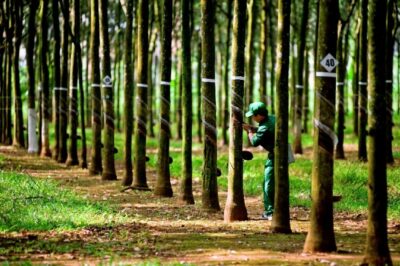
Thirteen of the world's largest tire and rubber companies have joined forces to fund a three-year healthcare initiative for rubber farmers in Côte d'Ivoire, a move that signals a growing emphasis on supply chain responsibility in the automotive materials sector.
The Global Platform for Sustainable Natural Rubber (GPSNR) announced a partnership with Berlin-based social enterprise Elucid to deliver healthcare access to 1,800 rubber farmers and their households, benefiting approximately 9,000 individuals. The initiative is funded through GPSNR's Shared Investment Mechanism (SIM), a model that pools contributions from multiple companies to fund sustainability projects across the natural rubber supply chain.
Related
Top Tech Deals on AmazonStay ahead of the curve with the latest technology at the best prices.
The 13 participating companies span the global tire industry: Aeolus Tyre Co., Apollo Tyres, Balkrishna Industries (BKT), Goodyear, Hankook Tire & Technology, Kumho Tire, Maxxis International, Nokian Tyres, Prometeon Tyre Group, Sumitomo Riko, Sumitomo Rubber Industries, Toyo Tire, and Yokohama Rubber. The breadth of participation is notable — it includes manufacturers from Japan, India, Europe, the United States, and Taiwan, reflecting the international nature of the rubber supply chain.
Côte d'Ivoire is one of the world's largest producers of natural rubber, and the farming communities there are critical to global tire production. However, these communities often lack access to basic healthcare services, creating both a humanitarian concern and a supply chain risk. Poor health among farmers can reduce productivity and threaten the stability of raw material supply.
The SIM model is designed to address a common challenge in supply chain sustainability: the free-rider problem. Without a shared funding mechanism, individual companies might benefit from healthier supply chains without contributing to the cost of improvement. By pooling resources, the program ensures that the financial burden is distributed across the industry.
Elucid, the social enterprise partner, will handle on-the-ground implementation, working with local health providers to deliver services in rural farming areas.
What This Means For You: The tires on your car are connected to a global supply chain that starts with small farmers in West Africa. This initiative is a sign that the tire industry is recognizing that supply chain health — literally — matters for long-term stability. If you care about where the products you buy come from, this is a positive step. But it's also a reminder that most consumer goods still rely on workers in developing countries who often lack the basics that consumers take for granted.
Originally sourced from RubberWorld
Related Stories
Will an \'AI Bill\' Bomb Explode? KRAFTON Warns Against Indiscriminate Tech Adoption
A senior KRAFTON official has shared his perspective on the \'AI token\' cost issue, which has emerged...
Why Oracle\'s AI Spending Spree Has Wall Street On Edge
Oracle\'s aggressive spending on AI infrastructure has Wall Street analysts increasingly on edge, rai...
What's next for UnitedHealth Group after Q1 earnings beat and guidance raise
UnitedHealth Group delivered a strong first quarter, with shares surging 7% after better-than-expect...