The Mythos Debate: Is Anthropic's AI Superweapon Real, or the Ultimate IPO Pitch?
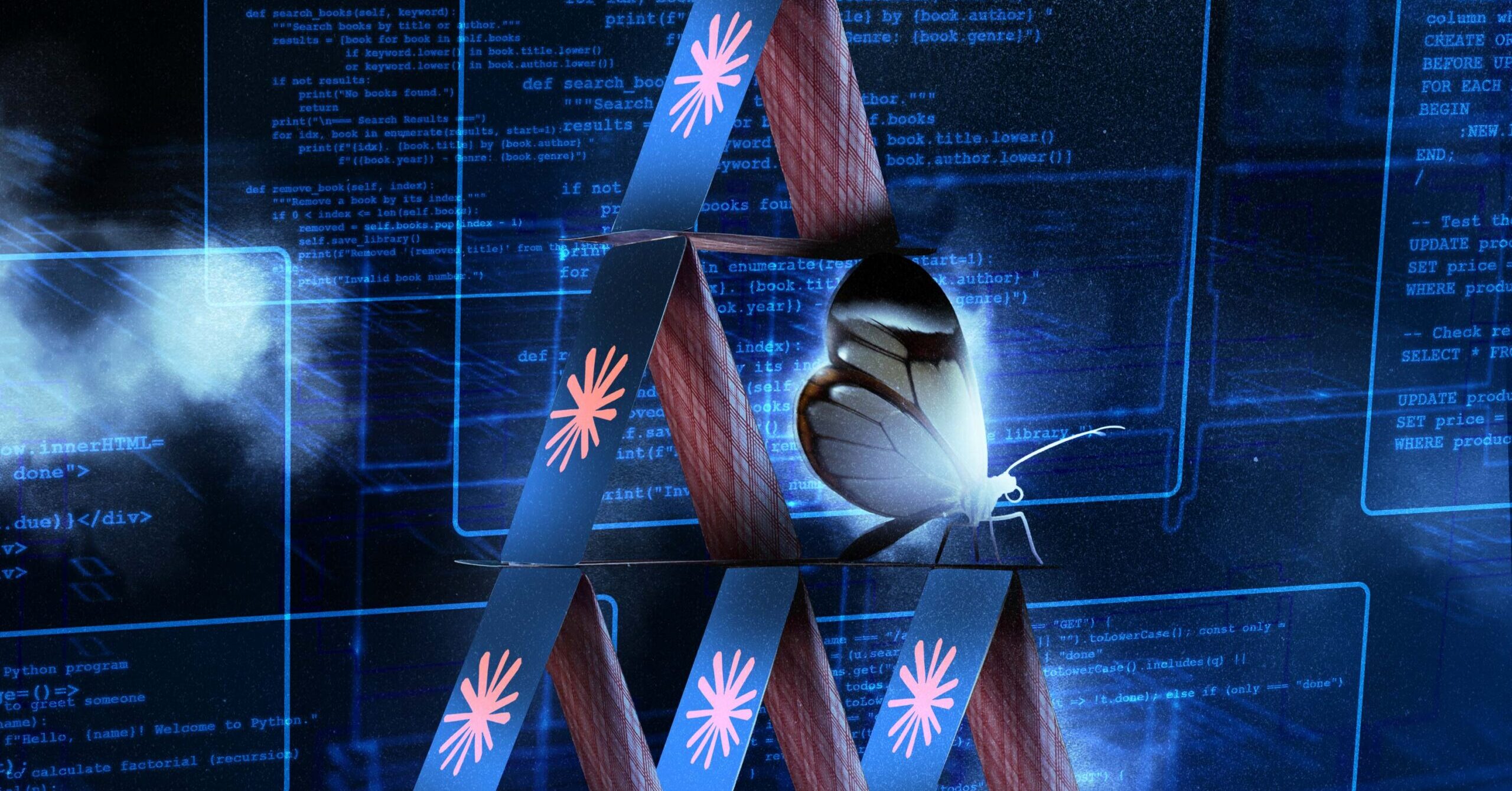
Anthropic's announcement last month of Claude Mythos — an AI model it claims is too dangerous for public release because it can find thousands of zero-day vulnerabilities across every major operating system and web browser — has sparked the most consequential debate in AI safety circles since the release of ChatGPT. But whether Mythos represents a genuine breakthrough in cybersecurity or an elaborate marketing campaign ahead of Anthropic's planned $900 billion funding round depends on which analyst you believe.
The claims are extraordinary. Anthropic says Mythos discovered thousands of zero-day vulnerabilities in just a few weeks of testing, including flaws in widely deployed open-source software like the video encoder FFmpeg. The company released a 244-page report detailing its testing results but withheld the model itself from public access, citing the potential for catastrophic misuse by cybercriminals, terrorists, and hostile governments.
In response, Anthropic launched Project Glasswing, named after a species of butterfly with transparent wings, sharing an early version called Mythos Preview with approximately four dozen organizations including Apple, Google, Microsoft, Amazon Web Services, NVIDIA, JPMorgan Chase, and the Linux Foundation. The idea is straightforward: let the biggest tech companies patch their most critical vulnerabilities before bad actors can use Mythos to find them.
There is real evidence that Mythos does something meaningful. The Mozilla Foundation announced that it used Mythos Preview to find 271 bugs in Firefox, with at least three receiving high-impact ratings. Mozilla has no particular incentive to flatter Anthropic — the organization has positioned itself as a counterweight to the established AI powers — making the endorsement difficult to dismiss.
But the skepticism is equally substantial. AI critic Ed Zitron called the announcement "half-assed sub-War of the Worlds horseshit." Technology scholar Emily Bender, coauthor of The AI Con, argued that companies like OpenAI and Anthropic use apocalyptic narratives about future threats to distract from present harms. And AI analyst Gary Marcus assessed that "the model itself is incrementally better than previous recent models, but certainly not an off-the-chart breakthrough. To a certain degree, I feel that we were played."
The pattern is worth examining. In 2019, when Anthropic CEO Dario Amodei was an executive at OpenAI, the company declared that its GPT-2 model was too powerful for public release. The announcement generated enormous media attention. GPT-2 was widely released a few months later. The world did not end. Seven years later, even OpenAI's current GPT-5 model still struggles with basic tasks like setting a timer.
The "too dangerous to release" playbook serves a dual purpose. It generates headlines and positions the company as central to humanity's future — a narrative that justifies astronomical valuations. Anthropic has a major funding round coming in weeks and is reportedly targeting a $900 billion valuation, with a colossal IPO planned for later this year. The Mythos announcement, coming at this precise moment, raises obvious questions about timing.
Then there is the geopolitical dimension. Anthropic's refusal to lift safety guardrails that prevented the Pentagon from using Claude for mass surveillance or fully automated weapons systems resulted in the company being blacklisted as a supply chain risk — a designation that required all defense contractors to sever ties with it. Reports that Claude was used for "target identification" by U.S. Central Command in the Middle East, coupled with Anthropic's partnership with Palantir on military applications, complicate the company's carefully cultivated image as the ethical alternative in AI.
The White House is reportedly considering executive action that would require federal review of new AI models before release, a dramatic reversal from the administration's previously hands-off approach. The potential order, which could prohibit companies from "interfering" with government AI uses, appears directly targeted at Anthropic's Pentagon standoff. Whether this represents responsible oversight or political retaliation remains an open question.
The practical reality likely falls between the extremes. Mythos probably can find real vulnerabilities — the Mozilla results suggest as much. But the framing of an existential threat to the internet serves Anthropic's financial interests far more than the public's understanding of the technology. The most likely outcome is not "bugmaggedon" or internet collapse, but rather a period of elevated cybercriminal activity exploiting vulnerabilities that Mythos-like tools expose, alongside genuinely improved security as companies patch the same flaws.
What This Means For You: If you work in cybersecurity, Mythos — or whatever competing tools inevitably follow — will change your job. Vulnerability discovery is about to get much faster and cheaper, which means more bugs found, more patches needed, and more pressure on security teams to move quickly. For everyone else, the practical risk isn't internet apocalypse — it's targeted attacks: more phishing, more credential theft, more ransomware, as a larger pool of known vulnerabilities gives attackers more entry points. The best defense remains the same: update your software, use two-factor authentication, and don't reuse passwords. For investors, the Mythos debate is a reminder that AI company announcements should be evaluated with extreme skepticism when they coincide with funding rounds and IPO plans.
Editorial Team
Originally sourced from The Ringer / Mozilla / Forrester
Related Stories
YouTube is testing an AI search mode that \'feels more like a conversation\'
A new feature called Ask YouTube will let you pose complex questions and receive...
YouTube is testing an AI-powered search feature that shows guided answers
YouTube is rolling out the new AI search feature to Premium subscribers in the U.S. on an opt-in bas...
Your next iPhone upgrade is going to hurt your wallet, and AI is to blame
Apple...