Elon Musk Loses $150 Billion AI Lawsuit Against OpenAI and Sam Altman
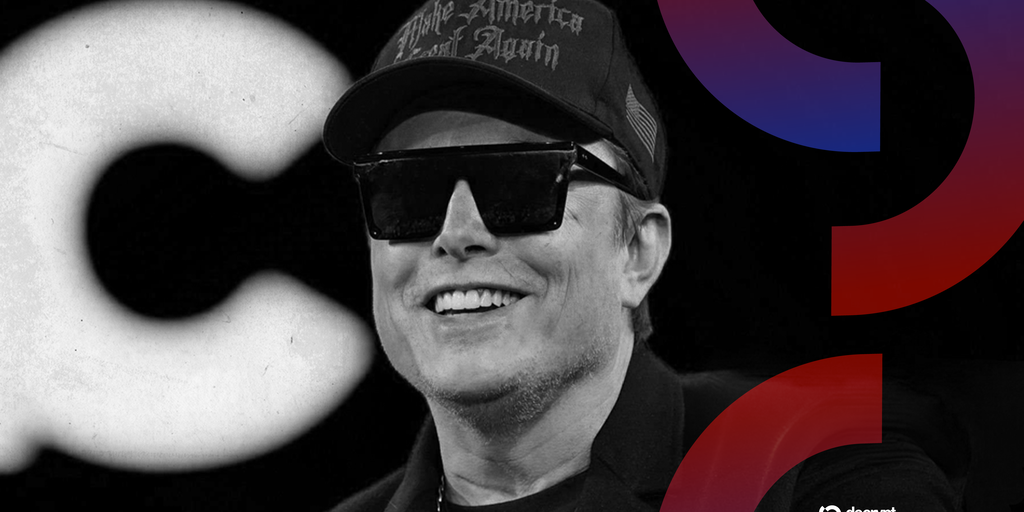
Elon Musk's $150 billion lawsuit against OpenAI — the company he co-founded — is over. A California jury rejected all of Musk's claims on Monday, ruling that he waited too long to accuse OpenAI's leadership of improperly profiting from the organization he helped create.
The decision removes one of the biggest legal threats hanging over OpenAI at a time when the AI industry is entering its most competitive phase yet. And it marks yet another courtroom loss for Musk, whose legal strategy of using litigation against competitors has produced more headlines than victories.
## What Musk Was Claiming
Musk's lawsuit alleged that OpenAI CEO Sam Altman and co-founder Greg Brockman breached their fiduciary duties and violated the organization's original nonprofit mission by transforming OpenAI into a for-profit entity — and that Musk was entitled to damages based on OpenAI's current valuation, which he pegged at $150 billion.
The core argument was that Musk helped found OpenAI in 2015 as a nonprofit dedicated to ensuring AI benefits all of humanity, and that Altman and Brockman betrayed that mission by creating a capped-profit structure and ultimately pursuing a full for-profit conversion.
Musk left OpenAI's board in 2018, citing conflicts of interest with Tesla's AI work. The lawsuit was filed in early 2025 — seven years later.
## Why the Jury Rejected It
The jury's decision hinged on the statute of limitations. Musk's attorneys argued that the full scope of OpenAI's transformation wasn't apparent until the company's for-profit restructuring in late 2024. The jury disagreed, finding that the relevant facts were available to Musk well before he filed suit.
In practical terms, the jury said: you knew OpenAI was changing its mission years ago. You can't wait until the company becomes worth $150 billion and then claim you were blindsided.
Legal experts had noted the statute of limitations problem from the beginning. OpenAI's shift from nonprofit to capped-profit happened in 2019 — five years before Musk sued. The 2024 conversion to full for-profit status was the culmination of a process that was public and well-documented throughout.
## What This Means For the AI Industry
The ruling is a significant victory for OpenAI at a critical moment. The company is in the middle of an intense competition with Anthropic, Google, and Elon Musk's own xAI (maker of the Grok chatbot). Losing this lawsuit could have created a massive financial liability and forced governance changes at the worst possible time.
Instead, OpenAI walks away with full legal vindication and no damages. The for-profit conversion can proceed unimpeded. And the company can point to a jury decision validating that its transformation was legitimate.
For the broader AI industry, the ruling reinforces that corporate governance disputes have real legal deadlines. Founders who believe they've been wronged can't sit on their claims for years and then demand a share of appreciation that happened while they watched from the sidelines.
## What This Means For You
**If you use ChatGPT or other OpenAI products**: Nothing changes immediately. The company's product roadmap continues as planned.
**If you're following the Musk vs. Everyone saga**: This is the latest in a string of courtroom setbacks for Musk. His pattern of using litigation against competitors (Twitter/xAI vs. OpenAI, various Tesla and SpaceX disputes) continues to produce more PR than legal victories.
**If you're an AI industry investor**: The ruling removes a major overhang on OpenAI's valuation. Expect the company's next funding round to reflect the reduced legal risk. The $150 billion question — whether OpenAI can maintain its lead against Anthropic and xAI — remains unanswered, but at least it won't be litigated in a California courtroom.
**If you're a founder**: The lesson is clear. If you believe your co-founders have breached their obligations, you have a limited window to act. Waiting years while the company grows and then suing for a share of the increased value is not a strategy the courts will reward.
Editorial Team
Originally sourced from Decrypt
Related Stories
YouTube is testing an AI search mode that \'feels more like a conversation\'
A new feature called Ask YouTube will let you pose complex questions and receive...
YouTube is testing an AI-powered search feature that shows guided answers
YouTube is rolling out the new AI search feature to Premium subscribers in the U.S. on an opt-in bas...
YouTube is giving creators a new weapon against AI deepfakes
YouTube is rolling out a new AI safety feature that could help creators spot deepfake-style videos u...