Sportsbooks say World Cup betting has surged past expectations, with US hype driving action
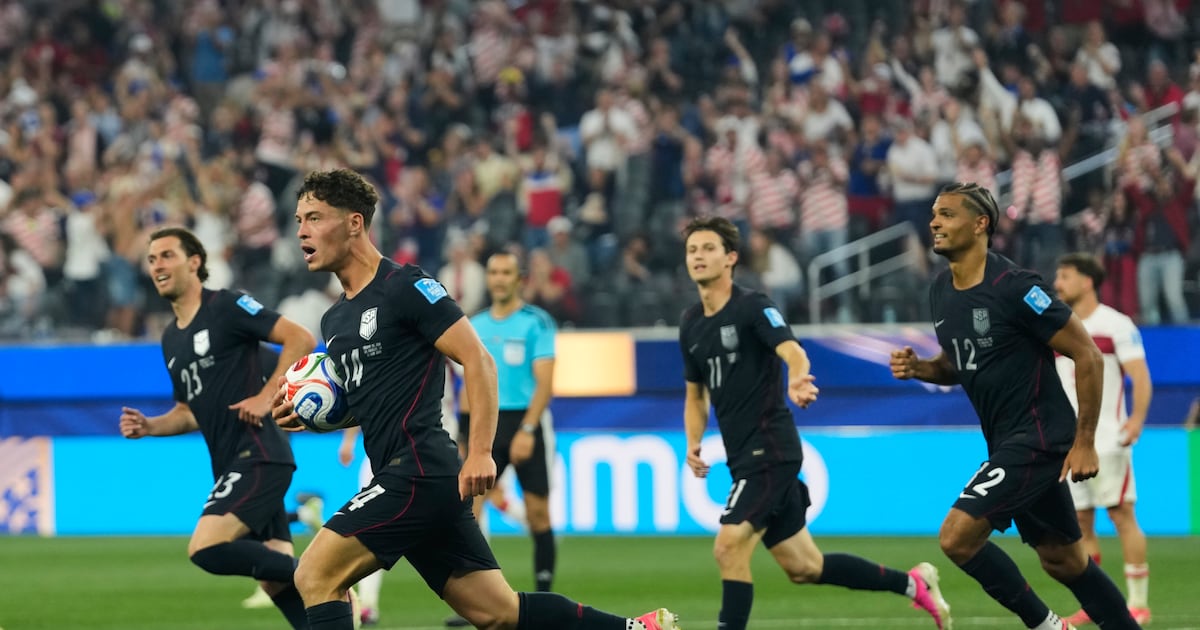
The 2026 World Cup is breaking records on the field and at the sportsbooks, and the United States is driving both trends.
Sportsbook operators across the country are reporting betting volumes that have exceeded even optimistic projections, fueled by a perfect convergence: the tournament is being played in North America for the first time, games air during prime viewing hours for American audiences, and the U.S. men's national team has opened with two decisive victories that have electrified a fan base still growing into the sport.
Caesars Sportsbook's Mark Bickerdike confirmed that the handle has surpassed internal expectations. DraftKings' Johnny Avello went further, comparing the wagering volume to the NCAA Tournament — the gold standard for American sports betting events — and suggested this World Cup could end up as the single biggest betting event of the year. BetMGM's Christian Cipollini projected that the upcoming U.S. match against Bosnia-Herzegovina will be the sportsbook's most-bet-on soccer game ever.
The scale of the action reflects how much the American sports betting landscape has changed since the last World Cup. In 2022, when the tournament was held in Qatar, legal sports betting was available in roughly 30 states. Today, 38 states plus Washington, D.C. have operational sportsbooks, and the infrastructure for mobile betting has matured dramatically. The combination of wider availability, better user experience, and four years of consumer education has created a vastly larger pool of potential bettors.
The economics extend well beyond the sportsbooks themselves. Host cities across the United States, Canada, and Mexico are reporting significant boosts in hotel occupancy, restaurant revenue, and local transportation usage. The leisure and hospitality sector added 70,000 jobs in May alone, according to the Bureau of Labor Statistics, a jump well above the previous 12-month average that economists attribute in significant part to World Cup-related hiring. Merchandise sales are surging. Viewership on Fox and Telemundo has set records for soccer broadcasts in the United States, and the cumulative economic impact across the 11 host cities is projected to exceed billion.
For the betting industry specifically, the World Cup represents a watershed moment for soccer's position in the American sports betting hierarchy. Historically, the NFL, NBA, and college sports have dominated American sportsbooks, with soccer a distant fourth or fifth. The 2026 World Cup is changing that calculus. The volume of bets placed on individual matches — not just those involving the U.S., but also high-profile clashes like France versus Argentina — suggests that American bettors are developing a genuine engagement with international soccer that extends beyond national team loyalty.
The types of bets being placed have also evolved. Early World Cup betting cycles were dominated by simple moneyline wagers. This tournament has seen significant growth in proposition bets, live in-game betting, and multi-leg parlays, all of which carry higher margins for sportsbooks and indicate a more sophisticated betting population. DraftKings reported that live betting — wagers placed during a match — now accounts for roughly 40% of total World Cup handle, up from approximately 25% during the 2022 tournament.
The cultural dimension shouldn't be underestimated. The United States is hosting — and competitive in — the world's most popular sporting event, and the effect on soccer's domestic profile is palpable. Jerseys are visible in cities that never showed much soccer enthusiasm. Bars are opening early for afternoon matches. The conversation around the sport has shifted from whether soccer can make it in America to how quickly it's growing, and the betting numbers are the most concrete evidence of that shift.
There are cautionary notes, however. Problem gambling advocates have raised concerns about the sheer volume of advertising and promotional offers tied to the tournament, and several states have reported upticks in calls to gambling helplines. The American Gaming Association has responded with refreshed responsible gambling guidelines for the tournament, but the effectiveness of voluntary measures during a high-intensity betting event remains an open question.
What This Means For You: If you're betting on the World Cup, treat it like any other investment: set a budget, avoid chasing losses, and remember that the house always has an edge — especially on parlays and prop bets where the margin is highest. If you're in a host city, the economic bump is real and you're seeing it in busy restaurants and full hotels, which means local businesses and service workers are benefiting directly. If you're an investor watching from the sidelines, the companies best positioned from this trend are the sportsbook operators (DraftKings, Flutter, Caesars), the streaming platforms carrying the matches, and the payment processors handling the transactions — but these stocks have already priced in much of the World Cup upside, so look for companies with staying power beyond the tournament.
Sports & Culture Reporter
Originally sourced from The Atlanta Journal-Constitution
Related Stories
Brian Kelly Tabs Fernando Mendoza as Top NFL QB Prospect in 2026 Draft
As the 2026 NFL Draft unfolds, one of the more interesting voices weighing in on this year...
Yankees Promote Top Prospect George Lombard Jr. to Triple-A Scranton
Lombard, drafted 26th overall by the Yankees in 2023, is considered the 27th-best prospect in baseba...
Yankees Provide Encouraging Update On Aaron Judge and Ben Rice
Taking to the MLB team...