Violence escalates in Colombia with dozens of attacks before presidential vote
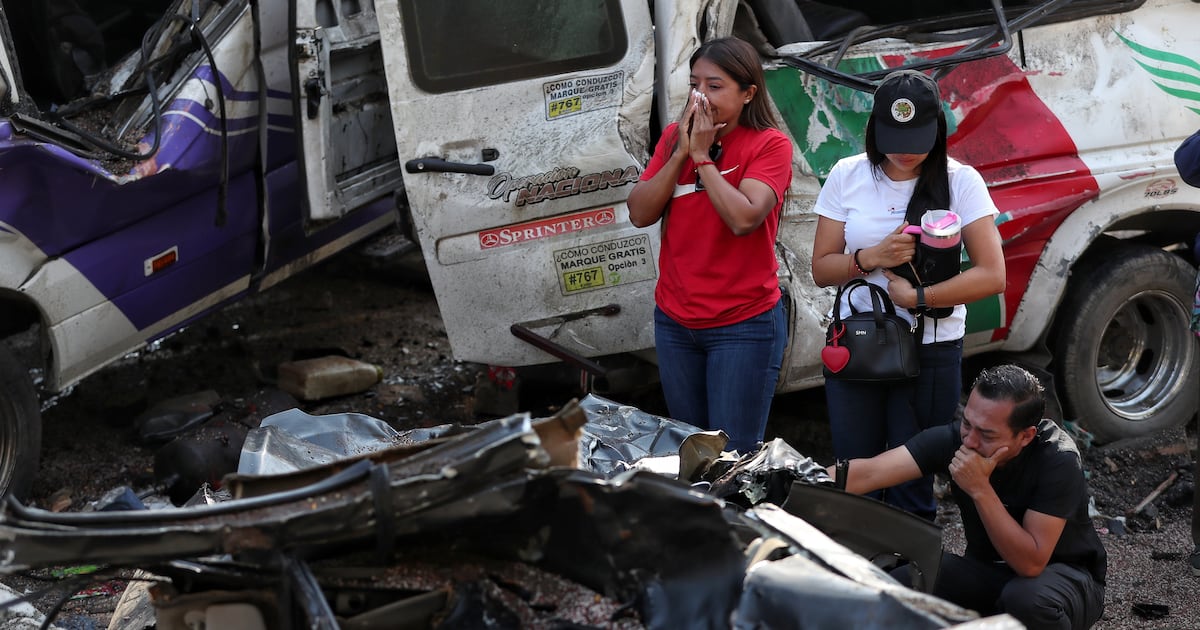
Colombia is experiencing a surge of political violence ahead of its presidential election, with dozens of attacks targeting candidates, campaign workers, and community leaders reported in recent weeks. The escalation has drawn international concern and raised fears about the stability of one of Latin America's most important democracies.
Armed groups, including remnants of the FARC dissident factions and paramilitary organizations, have intensified operations in rural areas where the state's presence is weakest. The attacks appear designed to intimidate voters and disrupt the electoral process in regions where certain candidates have stronger support.
Related
Stay Informed: The Best Political Books of 2026Deepen your understanding of the forces shaping American politics.
Colombia's defense ministry has deployed additional military units to the most affected areas and established joint command centers to coordinate security for candidates. However, human rights organizations have documented cases where security forces arrived too late or failed to act on prior intelligence warnings about planned attacks.
The violence threatens to undermine the 2016 peace agreement that was supposed to end decades of civil conflict. While the accord demobilized the main FARC organization, it failed to address the structural conditions — poverty, land inequality, and weak governance — that allowed armed groups to operate in the first place.
Several presidential candidates have called for a renewed peace process, while others have advocated for a harder military approach. The debate mirrors broader tensions in Colombian society about how to achieve lasting security without sacrificing democratic participation.
What This Means For You: Colombia's stability has direct implications for the United States, from migration flows to trade partnerships to counter-narcotics cooperation. When Colombian democracy falters, the ripple effects reach American communities through increased migration pressure, drug trafficking, and economic disruption. The international community's response — or lack of one — will shape whether Colombia's election strengthens or further erodes the fragile peace that millions of Colombians depend on.
Senior Political Correspondent
Originally sourced from The Atlanta Journal-Constitution
Related Stories
Woman, Her 5 Children Released From Longest ICE Detention of a Family Under Trump
A woman and her five children have been released from Immigration and Customs Enforcement custody af...
Wildfires Abound in US Southeast, Georgia Suffers Record Property Losses
Wildfires are tearing through the US Southeast at an alarming pace, with Georgia hit especially hard...
Why fighting federal-benefit fraud must top the Republican agenda
Expect the fight against fraud to dominate the Republican agenda in Congress and on the campaign tra...