Senate Democrats Introduce $25 Minimum Wage Bill
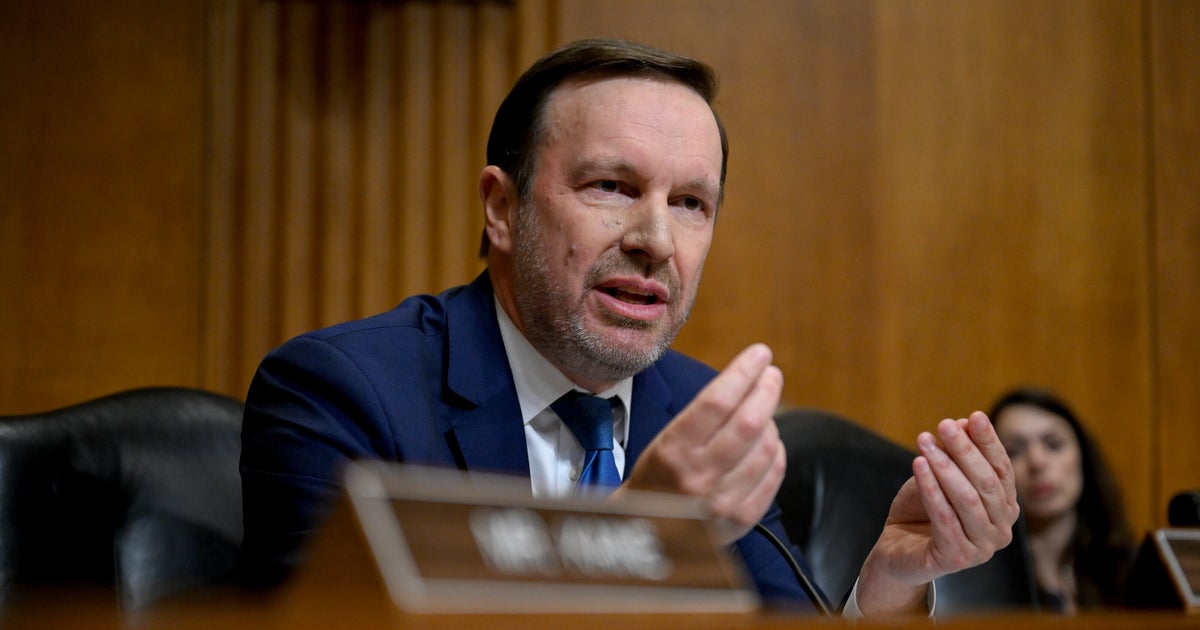
Senate Democrats introduced legislation Thursday that would raise the federal minimum wage to $25 per hour over five years — a proposal that has zero chance of becoming law under the current Congress but signals a deliberate shift in the party's economic messaging ahead of the midterm elections.
The bill, sponsored by Sen. Chris Murphy and identical to House legislation introduced earlier this year, would phase in the increase gradually. Large employers with 500 or more workers or $1 billion in gross annual revenue would need to reach $25 by 2031. Smaller employers would have until 2038. After the phase-in period, the minimum wage would be pegged to two-thirds of the national median hourly pay, ensuring it rises automatically with broader wage growth.
The bill would also eliminate the tipped minimum wage for restaurant servers and other workers who earn gratuities — a provision that would fundamentally restructure compensation in the service industry.
**The political calculus**
No one in the Senate Democratic leadership expects this bill to pass. Republicans control Congress, and President Trump would veto it even if it somehow reached his desk. The legislation is a messaging vehicle — a way for Democrats to draw a contrast with Republicans on an issue where polling is overwhelmingly on their side.
A majority of Americans support raising the federal minimum wage, which has sat at $7.25 per hour for 17 years — the longest period without an increase since the minimum wage was established in 1938. The current rate represents annual earnings of roughly $15,080 for a full-time worker, which is below the federal poverty line for a family of two.
The $25 figure itself is significant. Democrats spent years organizing around the Fight for $15, which began as a labor campaign in the fast-food industry and eventually became the party's official position. The shift to $25 reflects both the erosion of purchasing power since that campaign began and the party's calculation that voters now view $15 as insufficient rather than aspirational.
Sixty percent of respondents in a recent NPR/PBS/Marist poll said they disapprove of Trump's handling of the economy. Only a third said they approve — a lower share than former President Joe Biden ever received. Democrats are betting that economic discontent is their strongest path to midterm gains, and the minimum wage is the clearest expression of that argument.
**The economic debate**
The economics of a $25 minimum wage are contested in ways that the politics are not.
According to the Economic Policy Institute's wage tracker, an estimated 66 million workers earn less than $25 per hour, which translates to roughly $50,000 annually. Raising the wage floor to that level would represent the largest increase in the minimum wage in U.S. history by a wide margin, both in absolute dollars and as a percentage of median income.
The Congressional Budget Office has not yet scored this specific bill, but prior analyses of $15 minimum wage proposals estimated that significant increases would raise earnings for millions of workers while also reducing employment for some number of low-wage workers. The magnitude of both effects depends heavily on how quickly the increase is implemented and how it interacts with state and local wage floors.
One complicating factor: 29 states and dozens of cities already have minimum wages above the federal level. California's is $16.50, Washington's is $16.66, and several cities have reached $18 or higher. In those jurisdictions, a federal $25 minimum wage would still represent a substantial increase, but the starting point is already much higher than $7.25.
The 16 states that still use the federal minimum would experience the most dramatic change. A jump from $7.25 to $25 would more than triple the wage floor, a shift that would affect virtually every low-wage employer in those states and could produce different economic effects than more gradual increases in states with higher floors.
The bill's phase-in structure attempts to address this disparity. Large employers face a tighter timeline, while small businesses have a 12-year runway. The automatic adjustment to two-thirds of median wages after the phase-in would prevent the minimum wage from becoming stagnant again — the exact problem that produced the current 17-year freeze.
**The tipped wage question**
Eliminating the tipped minimum wage may be the most consequential provision in the bill, even though it has received less attention than the $25 headline number.
Under current law, employers can pay tipped workers as little as $2.13 per hour if their tips bring their total earnings to at least the federal minimum wage. This system creates a compensation structure where servers depend on customer generosity for the majority of their income, a dynamic that produces wide pay disparities and leaves workers vulnerable to income volatility.
Seven states have already eliminated the tipped sub-minimum wage, and ballot initiatives to do the same are advancing in several others. The Democratic bill would extend this change nationwide, requiring employers to pay the full minimum wage regardless of tips received.
Restaurant industry groups have historically opposed tipped wage elimination, arguing it would increase labor costs and force price increases. Worker advocacy groups counter that the current system subsidizes employer payrolls with customer tips and produces unstable income for workers.
**What this means for you**
If you earn less than $25 per hour, this bill — even in its current impossible-to-pass form — represents a benchmark for what progressive Democrats believe your labor is worth. Whether you support the specific number or not, the proposal puts a stake in the ground that $7.25 is no longer defensible as a national wage floor. Watch for this figure to appear in campaign ads, debate stages, and state-level ballot initiatives between now and November.
If you're a small business owner in a state with the $7.25 federal minimum, the phase-in timeline through 2038 is designed with you in mind. Even if the bill passed, you would have over a decade to adjust compensation structures. But the political debate itself can affect labor markets — workers who see a $25 benchmark in national conversation may be less willing to accept $7.25, regardless of whether the law changes.
If you're a voter trying to cut through the messaging, the key distinction is between what this bill does and what it represents. As legislation, it will not become law. As a political signal, it tells you that Democrats have concluded the Fight for $15 is no longer ambitious enough to match voter economic anxiety. The party is recalibrating upward, and the $25 number is the new anchor point for every future minimum wage negotiation — at the federal, state, and local level.
Senior Political Correspondent
Originally sourced from HuffPost
Related Stories
Woman, Her 5 Children Released From Longest ICE Detention of a Family Under Trump
A woman and her five children have been released from Immigration and Customs Enforcement custody af...
Wildfires Abound in US Southeast, Georgia Suffers Record Property Losses
Wildfires are tearing through the US Southeast at an alarming pace, with Georgia hit especially hard...
Why fighting federal-benefit fraud must top the Republican agenda
Expect the fight against fraud to dominate the Republican agenda in Congress and on the campaign tra...