Palestinian officials hail local elections in a Gaza community and the West Bank
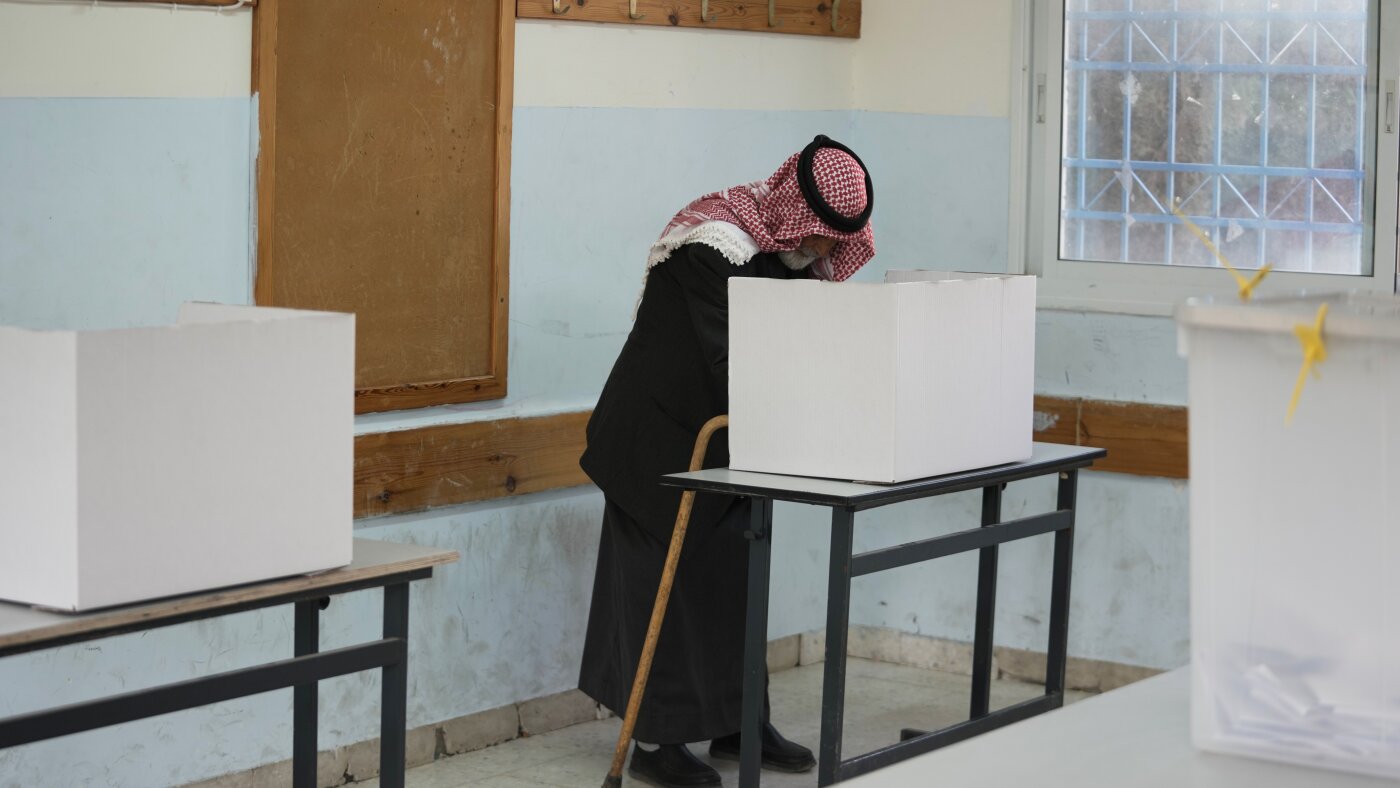
Palestinian officials are celebrating the completion of local elections in parts of the West Bank and one Gaza community as a milestone for democratic governance, though critics note the limited scope and disputed conditions under which the voting took place.
The elections, administered by the Central Elections Commission, covered municipal councils in approximately 60 West Bank communities and a single Gaza district — a fraction of the Palestinian territories' total population. Turnout varied widely, from over 70% in some rural villages to under 30% in urban centers where boycotts and dissatisfaction with the political establishment dampened participation.
Related
Stay Informed: The Best Political Books of 2026Deepen your understanding of the forces shaping American politics.
Hamas, which governs Gaza, did not participate in the elections and dismissed them as a legitimacy exercise for the Palestinian Authority. The PA, which organized the vote, framed it as evidence that democratic institutions can function even under occupation and during conflict.
International observers from the European Union and the National Democratic Institute noted that the elections were "reasonably well administered" given the circumstances but highlighted significant concerns: voter registration gaps in conflict-affected areas, the inability to hold elections in most of Gaza, and the absence of key political factions from the process.
The elections come at a delicate moment. Reconstruction efforts in Gaza remain stalled, ceasefire negotiations have made limited progress, and the Palestinian Authority faces mounting pressure from both domestic critics and international donors who question its legitimacy and effectiveness.
What This Means For You: Local elections in conflict zones are a reminder that governance doesn't stop during war — but it does get distorted. If you're following Middle East policy or have investments in the region, these elections are a signal that Palestinian civil institutions are attempting to maintain functionality despite extraordinary pressure. Whether that attempt succeeds depends on factors far beyond the ballot box: reconstruction funding, ceasefire durability, and the willingness of external actors to support Palestinian governance rather than just manage the conflict. For anyone interested in democratic development, the lesson is that elections are necessary but insufficient — they're the visible part of a much deeper structural challenge.
Senior Political Correspondent
Originally sourced from NPR
Related Stories
Woman, Her 5 Children Released From Longest ICE Detention of a Family Under Trump
A woman and her five children have been released from Immigration and Customs Enforcement custody af...
Wildfires Abound in US Southeast, Georgia Suffers Record Property Losses
Wildfires are tearing through the US Southeast at an alarming pace, with Georgia hit especially hard...
Why fighting federal-benefit fraud must top the Republican agenda
Expect the fight against fraud to dominate the Republican agenda in Congress and on the campaign tra...