Cole Allen absorbed political rhetoric like a 'sponge': Byron York
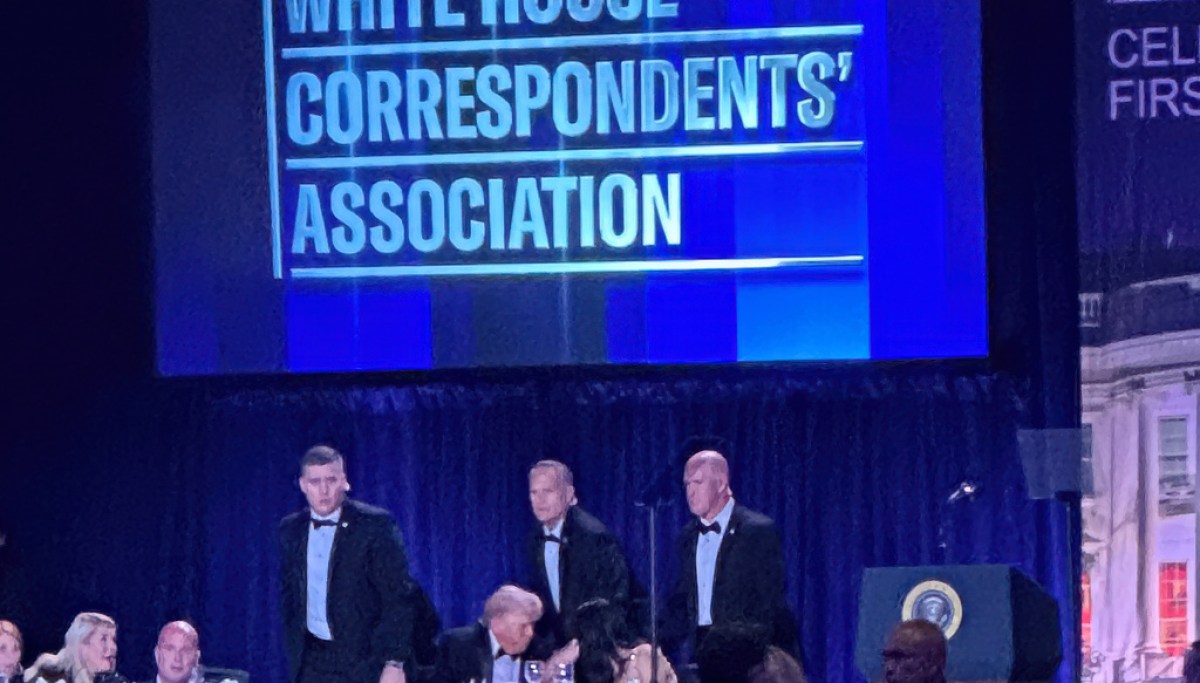
Chief political correspondent Byron York said Wednesday that Cole Allen, the suspect in the White House Correspondents' Dinner shooting, "absorbed political rhetoric like a sponge," pointing to his manifesto's reliance on common anti-Trump language found across social media and left-leaning media outlets.
York noted that Allen's key allegations against Trump — calling him a pedophile, a rapist, and a traitor — mirror rhetoric widely available online. "If you go to any one of a bunch of anti-Trump media outlets or social media platforms, you'll see that stuff all over the place," York said.
Related
Stay Informed: The Best Political Books of 2026Deepen your understanding of the forces shaping American politics.
The analysis is part of a broader debate about whether violent political acts are enabled by the rhetorical environment. The White House has blamed Democratic rhetoric for the shooting, while Democrats argue the suspect's motivations were complex and shouldn't be reduced to partisan talking points.
York's framing raises a real question: when does heated rhetoric become enabling rhetoric? The First Amendment protects the right to call a politician any name you want. But the cumulative effect of constant dehumanizing language — from any direction — creates an environment where violence against political figures becomes more conceivable to those already on the edge.
The challenge is that this cuts both ways. The same analysis applies to rhetoric about immigrants, government officials, or political opponents that comes from the right. If dehumanizing language enables violence, it enables violence regardless of its ideological source.
**What This Means For You:** The rhetoric-violence connection is real, but it's not a weapon that only points one way. If you're consuming media that routinely dehumanizes political opponents — whether left or right — you're participating in the environment that makes political violence more likely. You don't have to tone down your beliefs, but how you express them matters. The standard is simple: if you wouldn't say it about someone you respect, reconsider saying it about anyone.
Senior Political Correspondent
Originally sourced from Washington Examiner
Related Stories
Woman, Her 5 Children Released From Longest ICE Detention of a Family Under Trump
A woman and her five children have been released from Immigration and Customs Enforcement custody af...
Wildfires Abound in US Southeast, Georgia Suffers Record Property Losses
Wildfires are tearing through the US Southeast at an alarming pace, with Georgia hit especially hard...
Why fighting federal-benefit fraud must top the Republican agenda
Expect the fight against fraud to dominate the Republican agenda in Congress and on the campaign tra...