VCU to create memorial for people, most of African descent, whose remains were dumped in a well
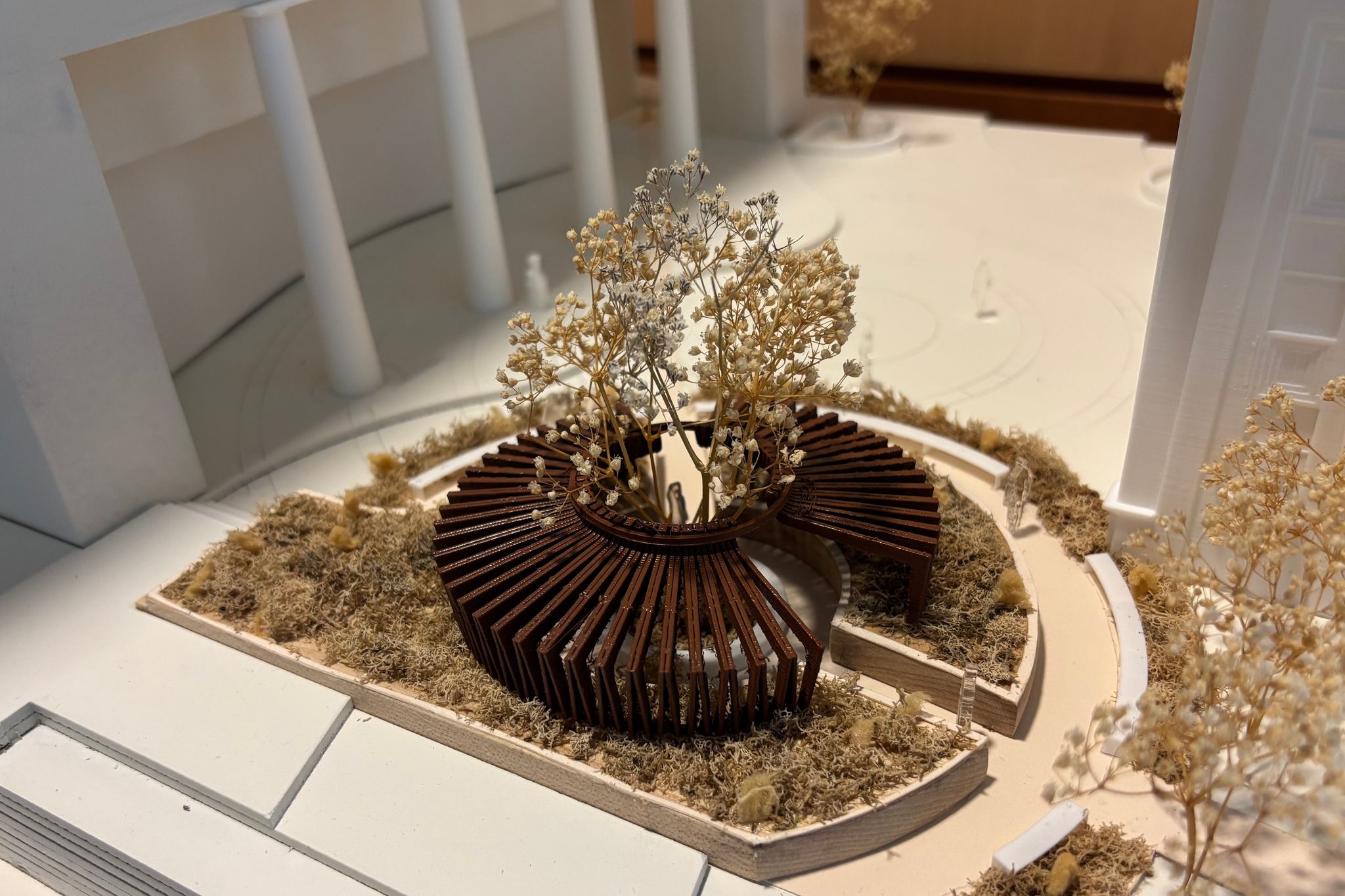
Virginia Commonwealth University's board of visitors has approved $3.6 million in funding for a memorial honoring dozens of people, most of African descent, whose remains were stolen from their graves, dissected by medical students, and dumped in a forgotten well more than a century ago.
The East Marshall Street Well Project will create a circular memorial featuring a "unity chamber" inspired by Toguna structures of Dogon culture in West Africa. The design intentionally incorporates a low roof to encourage seated reflection and humility, according to Stephen Davenport, the project's administrative lead.
Related
Health & Wellness Essentials on AmazonSmall changes in your daily routine can make a big difference in how you feel.
The remains were discovered in 1994 when construction workers uncovered a brick-lined well beneath what is now the Kontos Medical Sciences Building on VCU's medical campus. Researchers found human bones, hair, skin fragments, leather shoes, and glass bottles in the mud.
Archival records from the Medical College of Virginia indicate the remains were dumped in the well between the 1840s and 1860s. A 2026 anthropological analysis confirmed "postmortem signs of dissection and amputation consistent with anatomical training and surgical procedure practice." Researchers concluded that "the constant demand for cadavers led to routine grave robbing practices, mainly targeting African American burial grounds."
DNA study results released in February identified at least 43 adults and three juveniles of predominantly African heritage, most likely from Central-West Africa. Several remains also bore traces of European ancestry. Skeletal analysis revealed evidence of heavy physical labor during their lives and "disregard for their bodies after death."
Construction of the memorial and burial site is expected to begin in summer 2027. After the 1994 discovery, archaeologists had only brief access before remains were removed by backhoes and sent to the Smithsonian. The renewed effort follows a 2011 documentary and forensic reports that revived public attention.
**What This Means For You:** This memorial confronts a history that medical institutions across the country share but rarely acknowledge. The practice of stealing Black bodies for anatomical training was widespread in 19th-century medical education. If you live near any historic medical campus, similar stories may exist in your community's archives. Supporting memorials and historical investigations isn't just about the past — it's about accountability for institutional practices that shaped modern medicine.
Related Stories
Young Adult Suicide Rate Down 11% Over 2.5 Years of New 988 Mental Health Crisis Hotline
New data shows that the young adult suicide rate has dropped 11% since the launch of the 988 Suicide...
Will Trump\'s reclassifying of medical marijuana have any impact on criminal justice reform?
The Trump administration...
Will Trump\'s reclassifying of medical marijuana have any effect on criminal justice reform?
The Trump administration has moved to reclassify state-licensed medical marijuana as a less-dangerou...