Simone Biles Reveals She 'Almost Died' From Health Scare — And Why Her Silence Matters
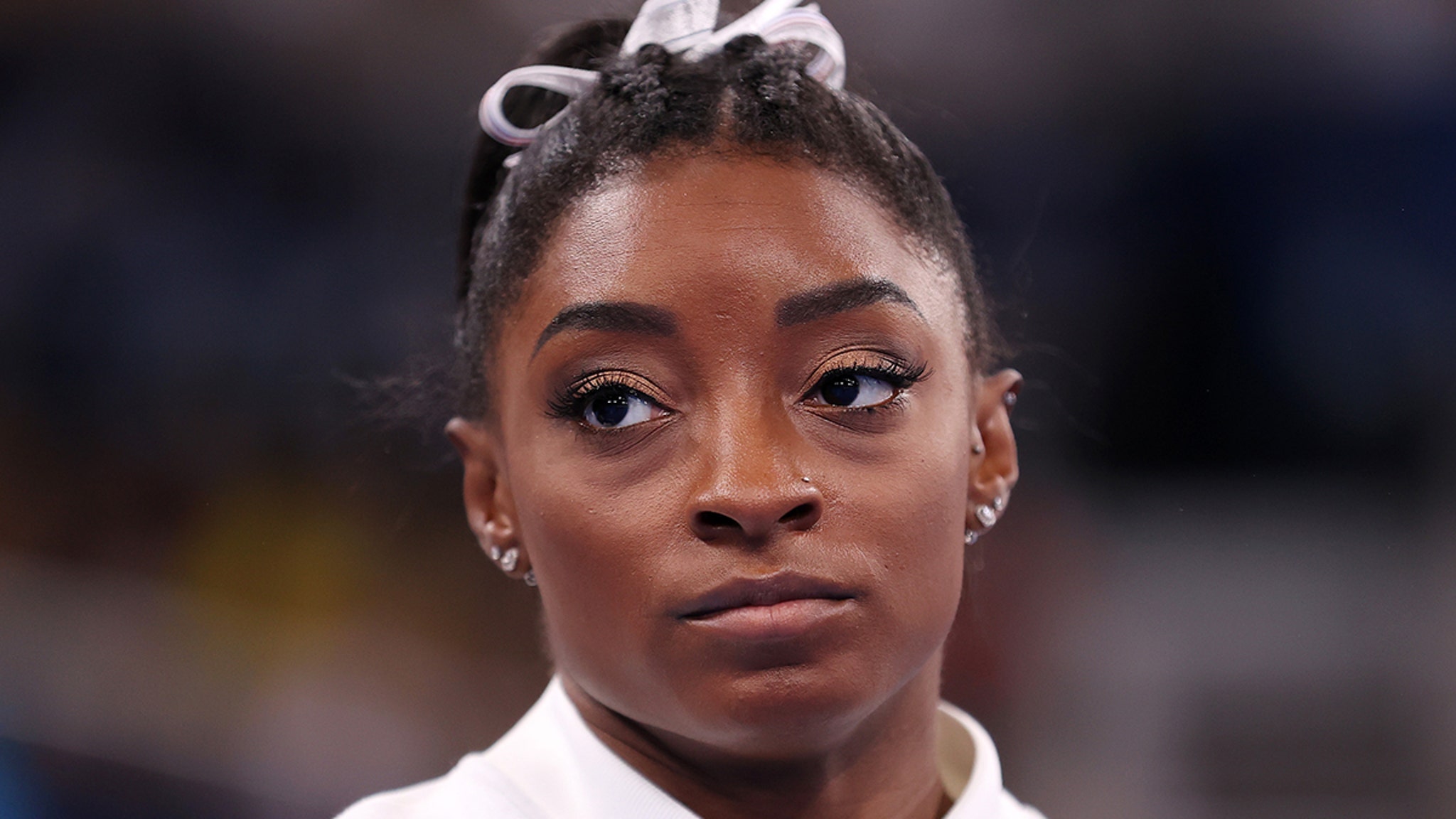
Simone Biles — the most decorated gymnast in American history and an icon of athletic resilience — revealed Saturday that she "almost died" this week from a health scare that she described as "one of, if not the scariest experiences of my life."
The 27-year-old posted to her Instagram Story from bed, showing a heart monitor beside her and a bouquet of flowers from friends. Her husband, Indianapolis Colts safety Jonathan Owens, was away at practice when the incident occurred. Biles said she would share more details later but noted that "almost dying wasn't on my bingo card earlier this week."
The post immediately sent shockwaves through the sports world and beyond — not just because of Biles' celebrity, but because it highlights a reality that elite athletes and the medical community are only beginning to grapple with: the hidden health toll of performing at the absolute limit of human capability.
## The Pressure Elite Athletes Face
Biles has been publicly candid about her health before. During the 2020 Tokyo Olympics (held in 2021), she experienced what she later described as "the twisties" — a dangerous phenomenon where gymnasts lose spatial awareness mid-air. She withdrew from multiple events, sparking a national conversation about athlete mental health and the physical dangers of competing while disoriented.
That experience, and her willingness to speak about it, changed how the sports world discusses athlete wellbeing. But Saturday's revelation is different. This isn't about mental health during competition — this is about a life-threatening medical event that occurred outside of competition, in the relative quiet of her own home, while she was alone.
The fact that Biles described the experience as nearly fatal — without yet specifying the condition — underscores how vulnerable even the fittest humans can be. Elite athletes aren't immune to sudden medical events. In some cases, the extreme physical stress of training and competition can actually increase risk.
## What Medical Experts Say About Sudden Health Events in Athletes
While it would be irresponsible to speculate about Biles' specific condition, medical literature documents several categories of sudden health events that can affect elite athletes:
**Cardiac events**: Intense training can enlarge the heart (athletic heart syndrome), and while this is typically benign, it can mask underlying arrhythmias or structural issues. Hypertrophic cardiomyopathy, the leading cause of sudden cardiac death in young athletes, often goes undetected without specialized screening.
**Pulmonary embolism**: Deep vein thrombosis can lead to blood clots that travel to the lungs — a potentially fatal condition. Athletes who travel frequently, take oral contraceptives, or have genetic clotting disorders are at elevated risk.
**Neurological events**: Biles' history with the twisties raises questions about whether her vestibular system — responsible for balance and spatial orientation — may have vulnerabilities that go beyond competition pressure.
**Kidney issues**: Rhabdomyolysis, a condition where muscle breakdown releases proteins into the blood that can damage the kidneys, is more common in extreme athletes and can be life-threatening if not treated promptly.
The heart monitor visible in Biles' Instagram photo suggests cardiac monitoring, though this is standard procedure for many hospital evaluations and doesn't confirm a cardiac event.
## Why Biles' Silence Is Significant
Biles said she would share more details "sooner or later," and the medical community and public should respect her timeline. But her decision to share even this much — that she nearly died, that she was alone, that she was scared — is itself meaningful.
When the most decorated gymnast in history says she almost died, it forces a conversation that extends beyond sports. It asks: Are we paying enough attention to the health of the people who entertain us? Are the medical protocols for elite athletes adequate? And are we creating environments where athletes feel safe disclosing health concerns — not just during competition, but in the ordinary course of their lives?
Biles' 2021 withdrawal from Olympic events showed the world that sometimes the bravest thing an athlete can do is stop. Her latest revelation shows that even when they're not competing, they're not invincible.
## What This Means For You
Biles' experience, while unique in its specifics, carries universal lessons:
- **Don't ignore warning signs**: Whether you're an elite athlete or someone who jogs on weekends, your body sends signals. Unexplained dizziness, chest pain, shortness of breath, or sudden fatigue during or after exercise should prompt immediate medical evaluation — not "I'll sleep it off."
- **Know your family history**: Many life-threatening conditions have genetic components. If close family members have experienced cardiac events, blood clots, or other sudden health crises, share that information with your doctor and ask about appropriate screening.
- **Advocate for yourself**: Biles was alone when her health scare occurred. If you experience symptoms that feel serious, don't wait for someone else to validate your concern. Call 911. Go to the emergency room. The worst outcome isn't overreacting — it's underreacting.
- **Mental and physical health are connected**: Biles' history with the twisties and her current health scare may or may not be related, but the lesson is the same: your mental state and physical state are deeply intertwined. Taking care of one means paying attention to the other.
- **Respect privacy in health disclosures**: Biles owes the public nothing in terms of medical details. If someone shares that they had a health scare, offer support — not demands for specifics. They'll share more when they're ready.
Editorial Team
Originally sourced from TMZ
Related Stories
Juvenile Shot in Vehicle Incident in Randolph County Highlights Gun Safety Concerns
COLUMBIA, Mo. (KMIZ) A juvenile had non-life-threatening injuries after they were accidentally shot ...
Your Android Camera Can Do Much More Than Take Photos — Here\'s What You\'re Missing
With the right apps, your Android camera becomes a health monitor, food scanner, accessibility tool,...
Young country music star\'s scary condition can kill her instantly: \'You\'re just gone\'
The 28-year-old has been open about her health diagnosis....