Map Shows Worst Beach Bacteria, Sewage Hotspots Before Memorial Day Weekend
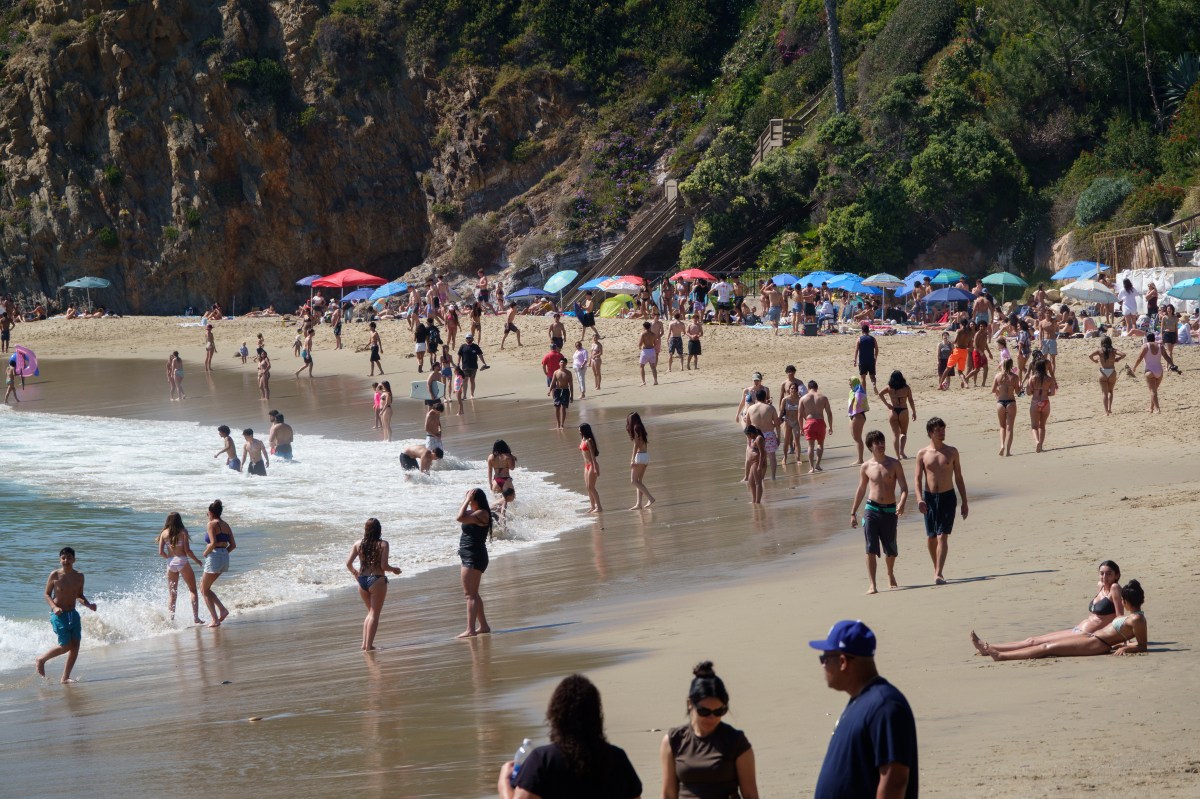
Before You Hit the Beach This Memorial Day: The Bacteria Hotspots You Need to Know About
Memorial Day weekend is supposed to be about sun, sand, and the start of summer. But a new report from the Surfrider Foundation is throwing cold water on that plan — literally. Their latest Blue Water Task Force testing has identified beaches across the country where fecal bacteria levels consistently exceed safety standards, and some of the numbers are genuinely alarming.
If you're among the 45 million Americans AAA expects to travel this weekend, you should check this list before you dive in.
The Worst Offenders
The Surfrider Foundation's report highlights beaches where a significant percentage of water samples exceed state health standards for recreational water contact. These aren't obscure or remote locations — they're popular swimming, surfing, and family recreation spots:
Florida: - Park View Kayak Launch, Miami Beach — 92% of samples exceeded safety standards - Ballard Park, Melbourne — 76% exceeded standards - Margaret Pace Park, Miami — 64% exceeded standards
California: - Imperial Beach, San Diego — 89% exceeded standards - Linda Mar Beach, Pacifica — 72% exceeded standards - San Luis Creek at Avila Beach — 47% exceeded standards
Hawaii: - Punaluu Beach Park, Oahu — 100% of samples exceeded standards - Moloaa Stream Mouth, Kauai — 100% exceeded standards - Hakipuu Boat Ramp, Oahu — 82% exceeded standards
Washington: - Thea Foss Floating Dock, Tacoma — 29% exceeded standards
A 100% failure rate at two Hawaii beaches means every single water sample taken at those locations showed bacteria levels above what the state considers safe for swimming. Let that sink in.
What's Causing the Contamination
The primary culprit isn't a mystery — it's the $630 billion backlog in wastewater infrastructure repairs across the United States. Aging sewage systems are failing with increasing frequency, releasing untreated or undertreated waste into waterways that flow directly to the coast.
Stormwater runoff is the second major factor. When it rains, water picks up oil, animal waste, fertilizers, and other pollutants from streets and lawns and carries them directly into the ocean through storm drains. Climate change is making this worse: more intense storms overwhelm already-strained systems, triggering additional sewage overflows.
In some locations, the problem is compounded by specific local factors. Imperial Beach in San Diego, for instance, has long struggled with sewage flows from the Tijuana River that cross the US-Mexico border — a problem that local officials have been unable to solve despite decades of federal attention.
The Health Risks Are Real
The Surfrider Foundation's warning isn't abstract. The bacteria detected at these beaches — primarily enterococci and fecal coliforms — are indicators of human and animal waste contamination. Exposure can cause gastrointestinal illness, flu-like symptoms, ear and sinus infections, and serious skin conditions including MRSA and staph infections.
Children, the elderly, and anyone with a compromised immune system are at heightened risk. But even healthy adults can get sick from swimming in contaminated water, and the risk increases dramatically after rain events when runoff and overflow are at their worst.
The timing couldn't be worse. Memorial Day weekend is the traditional start of beach season, and AAA projects 2026 will see the highest travel volume ever recorded for the holiday. More people in the water means more potential exposures.
How to Protect Yourself
Before heading to any beach this weekend, check the water quality. Most coastal states maintain real-time beach monitoring dashboards — search for "[state name] beach water quality" to find current advisories. The EPA's BEACON system also provides national data, though it can be slow to update.
A few practical rules: don't swim within 72 hours of heavy rain, when runoff and overflow are most likely to contaminate the water. Avoid swimming near storm drains, creek mouths, and river outlets. If the water looks murky, smells odd, or has visible debris, stay out. And if you have an open cut or wound, avoid ocean contact entirely — that's the primary pathway for serious skin infections.
What This Means For You
If you're heading to a Florida, California, or Hawaii beach this weekend, check the water quality before you go. The beaches listed above aren't theoretical risks — they're locations where the majority of water samples fail safety standards. For residents in these areas, this is also a civic issue: the $630 billion infrastructure backlog isn't going to fix itself. Local and state investment in wastewater systems is the only long-term solution, and it requires political pressure to fund. In the meantime, swim smart — check conditions, avoid swimming after rain, and keep cuts and wounds out of the water.
Editorial Team
Originally sourced from Newsweek
Related Stories
Juvenile Shot in Vehicle Incident in Randolph County Highlights Gun Safety Concerns
COLUMBIA, Mo. (KMIZ) A juvenile had non-life-threatening injuries after they were accidentally shot ...
Your Android Camera Can Do Much More Than Take Photos — Here\'s What You\'re Missing
With the right apps, your Android camera becomes a health monitor, food scanner, accessibility tool,...
Young country music star's scary condition can kill her instantly: 'You're just gone'
The 28-year-old has been open about her health diagnosis....