'I literally was crying last night because I’m nervous about what I’m going to find out': a record 51% of Americans aren't 'cost secure' on health
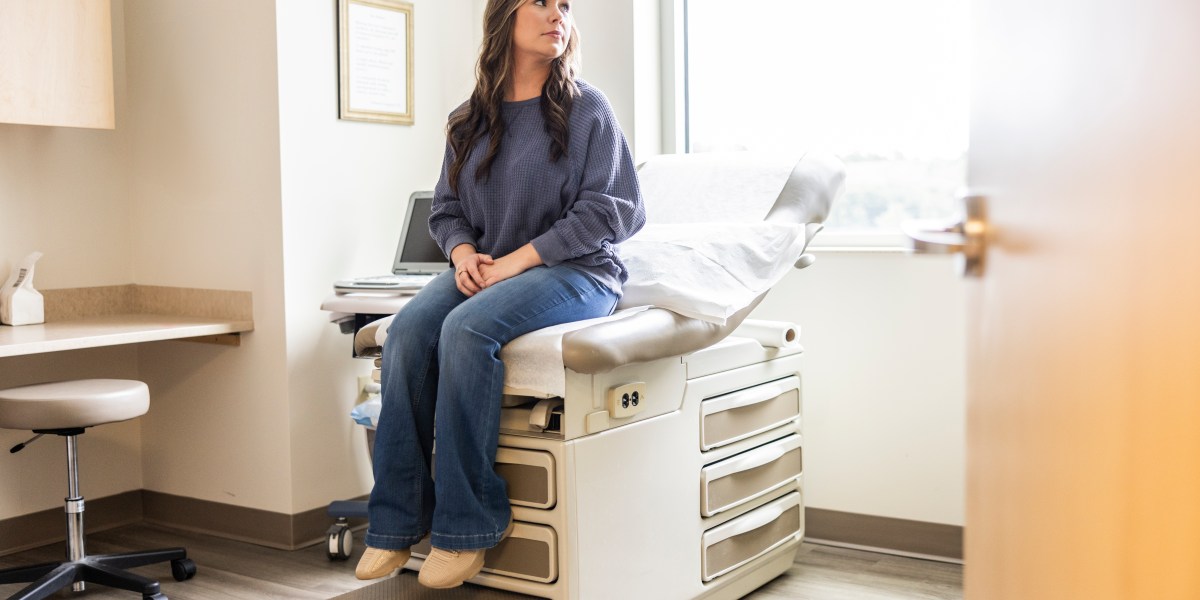
A record 51% of Americans say they are not "cost secure" when it comes to healthcare — meaning they cannot reliably afford the medical care they need without financial hardship, according to a new survey from West Health and Gallup. The finding comes before Medicaid cuts from the Republican budget reconciliation bill have even begun to take effect.
"I literally was crying last night because I'm nervous about what I'm going to find out," one respondent told researchers, capturing the anxiety that now defines the healthcare experience for more than half the country.
The number represents a dramatic deterioration from just a few years ago, and it underscores a reality that politicians on both sides of the aisle have struggled to address: the American healthcare system is financially breaking the people it is supposed to serve.
## What "Cost Secure" Actually Means
The West Health-Gallup survey defines cost security as the ability to pay for needed medical care without sacrificing other essentials or going into debt. Falling short of that threshold means skipping prescriptions, delaying procedures, avoiding doctor visits, or taking on debt to pay for basic health needs.
The 51% figure is a record high in the survey's history and reflects both rising costs and stagnant coverage. Even Americans with insurance — which is most of the country under the Affordable Care Act — are finding that coverage does not translate to affordability. Deductibles, copays, coinsurance, and out-of-network charges create gaps that can amount to thousands of dollars in unexpected costs.
## The Medicaid Cut Timing
The survey data was collected before the Republican budget reconciliation bill — which includes significant cuts to Medicaid — has been implemented. The legislation is expected to reduce Medicaid enrollment by millions, according to estimates from the Congressional Budget Office and various health policy research organizations.
That means the 51% figure likely represents a floor, not a ceiling. When the cuts begin to take effect, the share of Americans unable to afford care could climb further, particularly in states that expanded Medicaid under the ACA and in rural communities where Medicaid enrollment rates are highest.
Health economists note that Medicaid cuts don't just affect the people who lose coverage directly. When uninsured or underinsured patients show up at emergency rooms for conditions that could have been treated earlier and more cheaply, the costs cascade through the system — higher premiums for everyone, longer wait times, and hospital closures in vulnerable communities.
## The Insurance Paradox
Perhaps the most striking element of the cost insecurity crisis is that having insurance no longer provides the financial protection it once promised. Employer-sponsored plans have seen deductibles rise faster than wages for over a decade. ACA marketplace plans offer coverage, but the plans with affordable premiums often come with deductibles of $5,000 or more.
The result is a population that is technically insured but functionally unprotected — paying for a product that doesn't kick in until they've already spent thousands out of pocket. For the 51% who are not cost secure, health insurance has become just another monthly bill rather than a safety net.
## The Political Disconnect
The healthcare affordability crisis is one of the few issues that consistently ranks as a top concern for voters across party lines. Yet the political response has been fragmented. Democratic proposals for expanded public coverage face opposition from the healthcare industry and moderate lawmakers concerned about costs. Republican proposals to reduce federal spending on healthcare face opposition from the public, which consistently supports maintaining or expanding Medicare, Medicaid, and ACA subsidies.
The reconciliation bill currently moving through Congress includes Medicaid work requirements and reduced federal matching funds — provisions that are projected to reduce federal spending but increase the number of uninsured Americans. Whether those tradeoffs are acceptable is a question that voters will likely weigh in the 2026 midterms.
## What This Means For You
The healthcare cost crisis is not abstract policy — it's showing up in your wallet and your health outcomes:
- **If you have insurance through work**: Your deductible has likely doubled in the past decade while your wages haven't. Check whether your plan's out-of-pocket maximum is something you could actually afford to pay. If it isn't, you're one serious diagnosis away from financial crisis.
- **If you're on Medicaid**: The reconciliation bill's work requirements and reduced funding could affect your eligibility and the range of services covered. Start planning now for potential gaps in coverage — particularly if you live in a state that might not fill the funding void with state dollars.
- **If you buy on the ACA marketplace**: Open enrollment decisions this fall will carry more weight than usual. Pay close attention to plan changes in cost-sharing, provider networks, and drug formularies — insurers are adjusting plans to account for Medicaid enrollment shifts.
- **If you're healthy and think this doesn't apply to you**: Half of medical bankruptcies involve people who started out healthy. The 51% figure includes Americans who never expected to face a serious health expense. A single accident, diagnosis, or prescription change can move you from cost-secure to cost-insecure faster than you think.
The system is failing more than half the people it's supposed to serve. Whether that changes depends less on which party controls Congress and more on whether voters demand it.
Editorial Team
Originally sourced from Fortune
Related Stories
Juvenile Shot in Vehicle Incident in Randolph County Highlights Gun Safety Concerns
COLUMBIA, Mo. (KMIZ) A juvenile had non-life-threatening injuries after they were accidentally shot ...
Your Android Camera Can Do Much More Than Take Photos — Here\'s What You\'re Missing
With the right apps, your Android camera becomes a health monitor, food scanner, accessibility tool,...
Young country music star\'s scary condition can kill her instantly: \'You\'re just gone\'
The 28-year-old has been open about her health diagnosis....