Hantavirus Outbreak on Cruise Ship: What We Know and Why It Matters for Travel Safety
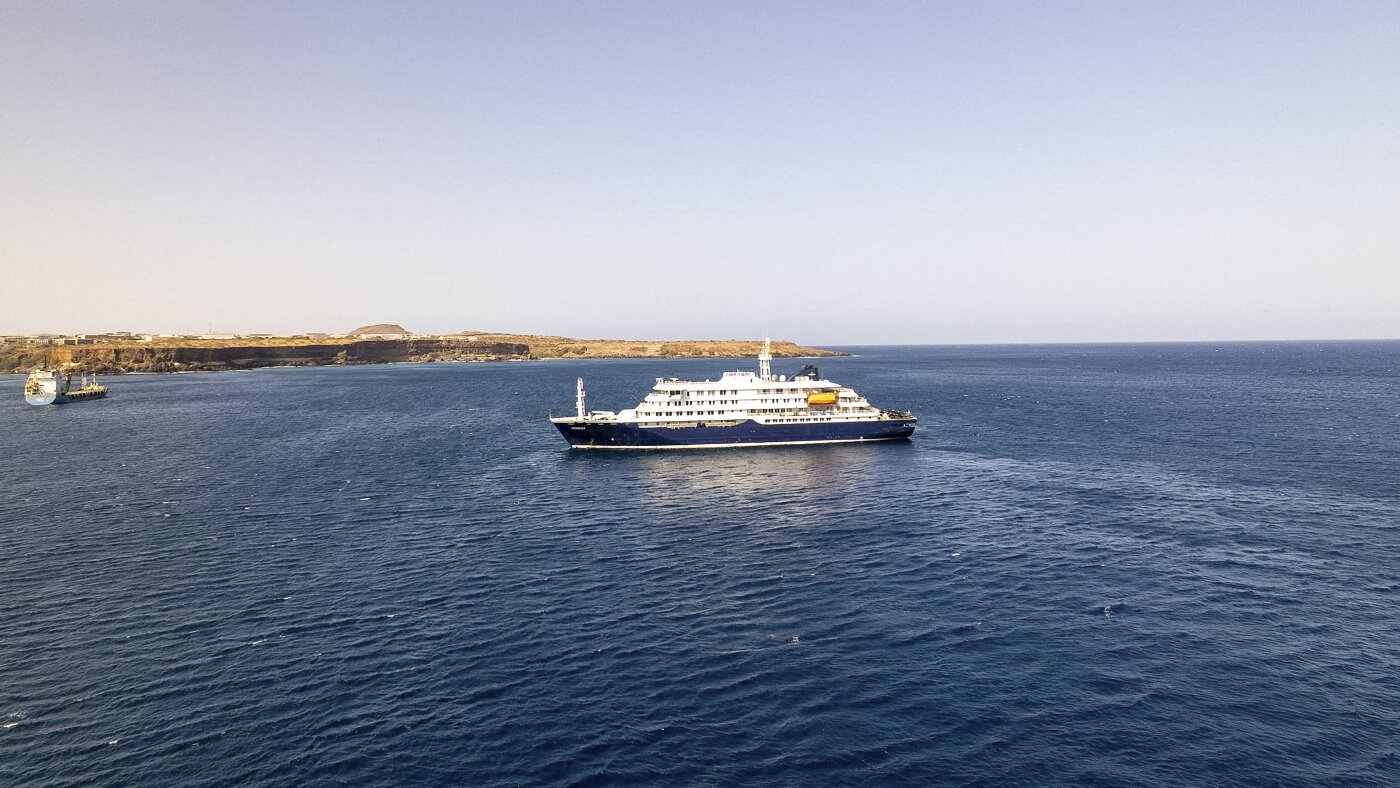
A hantavirus outbreak aboard a cruise ship in the Atlantic Ocean has killed three people and left at least six others infected, according to the World Health Organization — raising urgent questions about maritime health protocols and the rare but deadly virus that most people know almost nothing about.
The ship, identified in multiple reports as the MV Hondius operated by Dutch company Oceanwide Expeditions, was on an Antarctic cruise itinerary when the first cases emerged. Patient zero has been identified as Dutch ornithologist Leo Schilperoord, who was aboard the vessel conducting research. At least one case has been laboratory-confirmed, with five additional suspected infections under investigation.
Three passengers have died. One remains in intensive care in South Africa after being evacuated. The WHO is coordinating an international response, facilitating evacuations and conducting a full public health risk assessment of the remaining passengers and crew.
## What Is Hantavirus — And Why Is It So Dangerous?
Hantaviruses are a family of viruses primarily spread through exposure to rodent excrement — urine, saliva, and feces. In the Americas, the most dangerous strains cause hantavirus pulmonary syndrome (HPS), a severe respiratory disease with a mortality rate exceeding 35%, according to the CDC.
The early symptoms are deceptively common: fatigue, fever, and muscle aches, sometimes accompanied by headaches, dizziness, chills, nausea, and abdominal pain. But within days, the disease can rapidly progress to coughing, shortness of breath, and fluid filling the lungs. By the time respiratory symptoms appear, the disease is often already advanced.
There is no specific treatment, vaccine, or cure for hantavirus. Medical care focuses on supportive treatment — oxygen therapy, mechanical ventilation, and intensive care. Early detection is the single most important factor in survival.
## How Did This Happen on a Cruise Ship?
Hantavirus is overwhelmingly associated with rural settings — cabins, barns, and areas where rodent populations are dense. A cruise ship outbreak is virtually unprecedented, which is precisely what makes this event so concerning.
The most likely explanation is that rodents aboard the ship — a persistent problem on vessels despite strict sanitation protocols — carried the virus. Alternatively, the virus may have been transmitted at a port of call where passengers encountered infected rodents during shore excursions. Argentine health officials have pushed back on speculation that Ushuaia, a common Antarctic cruise departure point, was the source of the outbreak.
Regardless of the origin point, the confined environment of a cruise ship — shared ventilation systems, close quarters, common dining areas — creates conditions where a respiratory pathogen can spread rapidly among hundreds of passengers who have no natural immunity.
## The International Response
The WHO is not working alone. Multiple nations are now involved in the response:
- **Germany, France, Belgium, Ireland, and the Netherlands** have arranged transport planes to evacuate their citizens from the vessel, according to reports from European health ministries. - **Spain** is preparing evacuation protocols as the ship heads toward the Canary Islands. - **The United States** is monitoring American passengers aboard the vessel through the CDC and State Department. - **South Africa** has already received at least one critically ill patient in intensive care.
The WHO Director-General is personally overseeing the evacuation coordination — a signal of how seriously the organization is treating this event.
Meanwhile, a controversy has erupted after reports that a YouTuber who disembarked from the MV Hondius attended a packed wedding while potentially infectious, raising concerns about secondary transmission chains beyond the ship.
## What This Means For You
If you're booked on a cruise or considering one, this outbreak is a wake-up call — not to cancel, but to prepare. Hantavirus remains extremely rare, and cruise ships have robust health infrastructure. But this event exposes real gaps:
**Know the symptoms.** If you develop fever, muscle aches, or difficulty breathing within six weeks of a cruise or any travel involving rural or wilderness areas, seek medical attention immediately and mention your travel history. Early detection is the difference between life and death with hantavirus.
**Check your ship's health record.** The CDC's Vessel Sanitation Program publishes inspection scores for cruise ships. Before booking, check the score for your vessel. Ships scoring below 86 out of 100 have documented sanitation issues.
**Travel insurance is not optional.** Medical evacuation from a cruise ship in the middle of the Atlantic can cost tens of thousands of dollars. Comprehensive travel insurance with medical evacuation coverage is essential — standard health insurance typically does not cover international maritime evacuations.
**Pay attention to port advisories.** If you're traveling to regions where hantavirus is endemic — parts of South America, the American Southwest, or parts of Asia — follow local health advisories about rodent exposure, especially in rural accommodations.
This outbreak is a reminder that rare doesn't mean impossible. The deadliest pathogens often spread precisely because nobody expects them.
Editorial Team
Originally sourced from NPR
Related Stories
Juvenile Shot in Vehicle Incident in Randolph County Highlights Gun Safety Concerns
COLUMBIA, Mo. (KMIZ) A juvenile had non-life-threatening injuries after they were accidentally shot ...
Your Android Camera Can Do Much More Than Take Photos — Here\'s What You\'re Missing
With the right apps, your Android camera becomes a health monitor, food scanner, accessibility tool,...
Young country music star's scary condition can kill her instantly: 'You're just gone'
The 28-year-old has been open about her health diagnosis....