Energy shock ripples through kitchens, forests and conservation in Africa and South Asia
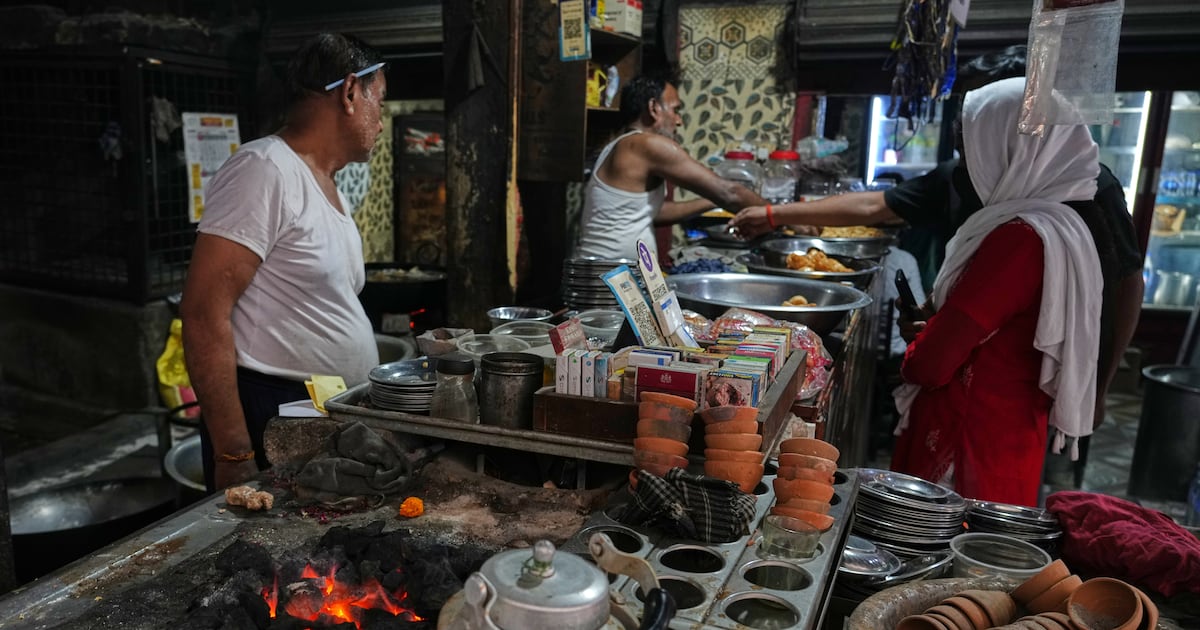
The Iran conflict's ripple effects are reaching far beyond oil markets, pushing households across Africa and South Asia back toward charcoal and firewood as cleaner cooking fuels become unaffordable — with devastating consequences for forests, wildlife, and public health.
Governments in developing nations had spent years promoting liquefied petroleum gas and other cleaner alternatives to traditional biomass fuels. The transition was driven by both health concerns — indoor air pollution from solid fuels kills an estimated 3.2 million people annually — and conservation goals, as charcoal production drives significant deforestation across sub-Saharan Africa and South Asia.
Related
Health & Wellness Essentials on AmazonSmall changes in your daily routine can make a big difference in how you feel.
Now, supply chain disruptions linked to the Iran conflict and rising global energy prices have made LPG and other clean fuels substantially more expensive and less reliable in import-dependent nations. Households that had switched to gas cooking are reverting to charcoal and firewood, reversing years of progress.
The environmental consequences are cascading. Increased charcoal demand accelerates deforestation, which fragments wildlife habitats and brings human settlements closer to animal populations. Conservation groups report rising risks of poaching as economic hardship pushes more people toward bushmeat hunting. Tourism revenue, which funds many national parks and anti-poaching operations across Africa, has also declined due to global economic uncertainty.
The World Health Organization has repeatedly warned that reliance on solid fuels for cooking is one of the largest environmental health risks in the developing world. Women and children, who spend the most time near household cooking fires, bear the greatest burden of respiratory illness.
Energy analysts note that the crisis exposes the fragility of clean energy transitions in developing nations. When global supply chains are disrupted, the poorest consumers are the first to lose access to cleaner options and the last to regain them.
What This Means For You: Global energy shocks do not just affect gas prices at your local station — they reshape how millions of people cook, heat their homes, and survive. The deforestation driven by this reversal in fuel choice accelerates climate change, which affects weather patterns, food prices, and migration patterns worldwide. Supporting policies and organizations that build resilient clean energy infrastructure in developing nations is not charity — it is an investment in global stability that eventually comes back to your community.
Editorial Team
Originally sourced from The Atlanta Journal-Constitution
Related Stories
Young Adult Suicide Rate Down 11% Over 2.5 Years of New 988 Mental Health Crisis Hotline
New data shows that the young adult suicide rate has dropped 11% since the launch of the 988 Suicide...
Will Trump\'s reclassifying of medical marijuana have any impact on criminal justice reform?
The Trump administration...
Will Trump\'s reclassifying of medical marijuana have any effect on criminal justice reform?
The Trump administration has moved to reclassify state-licensed medical marijuana as a less-dangerou...