Why Lowering Student Loan Limits on Public Health Degrees Could Hurt Louisiana
A proposed reduction in student loan limits for public health degree programs is drawing pushback from health professionals and educators who warn that the change could worsen workforce shortages in states that can least afford them.
The proposal, which would lower the amount of federal student loan funding available to students pursuing graduate degrees in public health, is being framed by supporters as a cost-control measure. However, critics argue that it fails to account for the essential role that public health professionals play in community well-being — particularly in states like Louisiana that face persistent health disparities.
Related
Health & Wellness Essentials on AmazonSmall changes in your daily routine can make a big difference in how you feel.
Louisiana consistently ranks among the states with the poorest health outcomes in the nation. High rates of chronic disease, limited access to care in rural areas, and vulnerability to environmental health threats all demand a robust public health workforce. Reducing the financial accessibility of the degrees that train that workforce, opponents argue, moves the state in the wrong direction.
Public health degrees — including master's programs in epidemiology, environmental health, health policy, and community health — typically require two or more years of graduate study. Tuition and living expenses during that period can be substantial, and graduates often enter public sector roles with salaries significantly lower than those in private healthcare. Loan availability is a critical factor in whether students from lower-income backgrounds can afford to pursue these careers at all.
The guest column in the Baton Rouge Advocate makes the case that limiting loans for public health education creates a perverse incentive: the communities most in need of trained public health workers will have the hardest time attracting them, because the professionals who might serve those communities will be deterred by higher costs and lower earning potential.
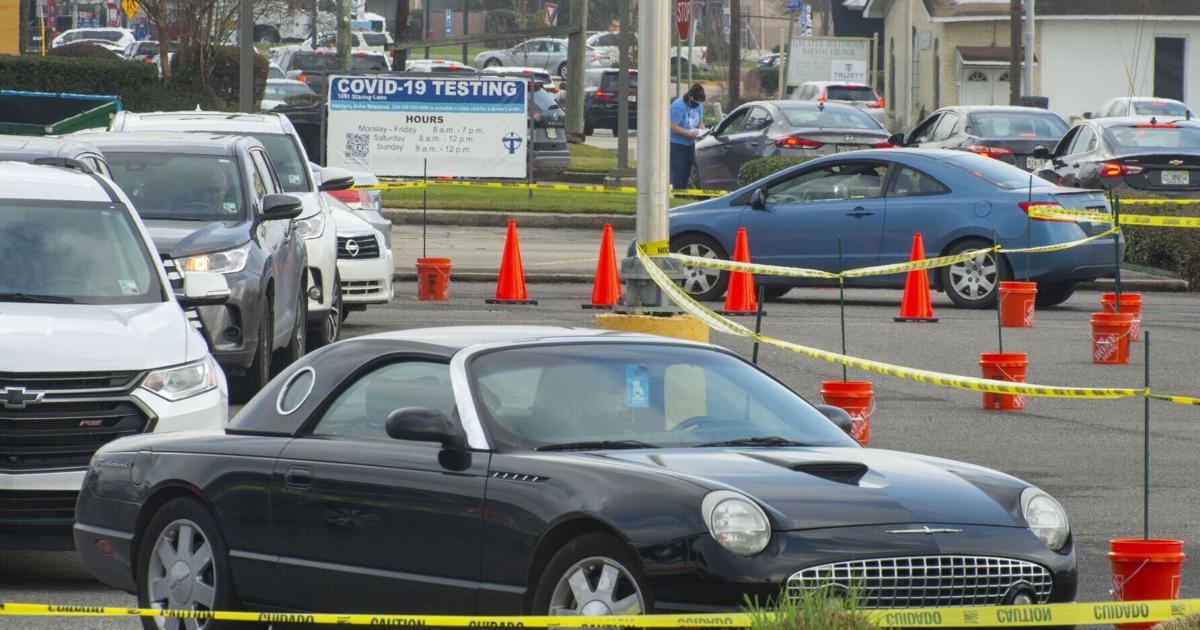
There is also a timing concern. The COVID-19 pandemic exposed severe gaps in the public health infrastructure, and many states are still rebuilding their workforce capacity. Reducing educational access now could undermine those efforts.
What This Means For You: If you live in a state with high health challenges — and Louisiana is far from alone — the people who track disease outbreaks, inspect restaurants, manage disaster health responses, and run vaccination campaigns need graduate-level training. Making that training harder to afford means fewer qualified people doing those jobs in your community. Student loan policy might seem like a distant budget debate, but its effects show up in the quality of your local health department.
Originally sourced from Baton Rouge Advocate
Related Stories
Young Adult Suicide Rate Down 11% Over 2.5 Years of New 988 Mental Health Crisis Hotline
New data shows that the young adult suicide rate has dropped 11% since the launch of the 988 Suicide...
Will Trump\'s reclassifying of medical marijuana have any impact on criminal justice reform?
The Trump administration\'s executive order reclassifying state-licensed medical marijuana from Sched...
Will Trump\'s reclassifying of medical marijuana have any effect on criminal justice reform?
The Trump administration has moved to reclassify state-licensed medical marijuana as a less-dangerou...