What the Fed's Rate Pause Actually Costs You — And How to Fight Back
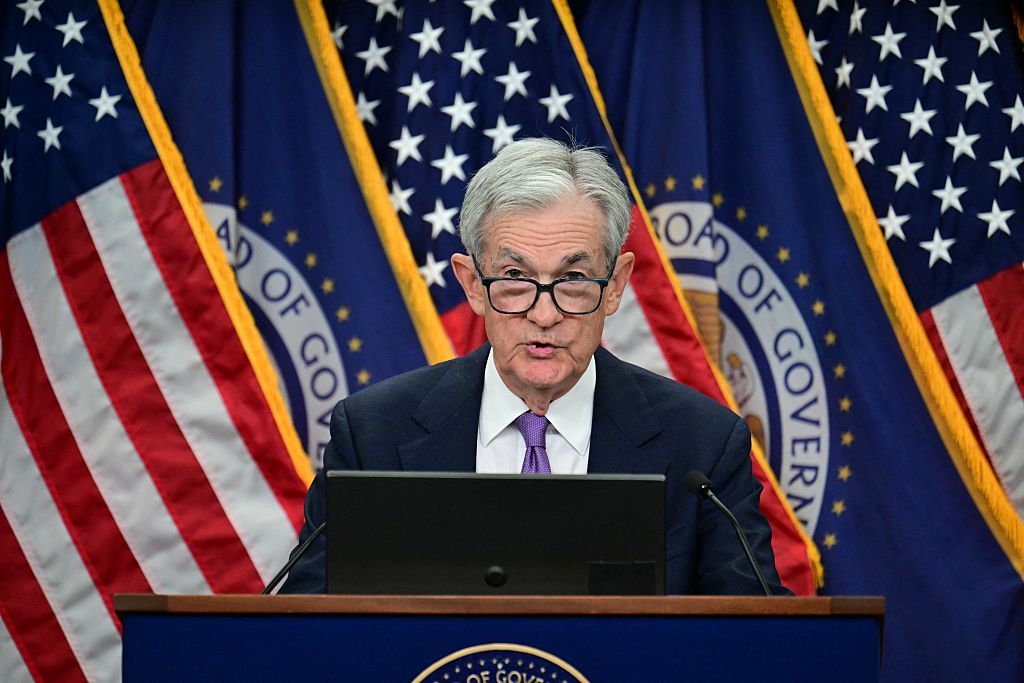
The Federal Reserve kept the federal funds rate unchanged after its latest meeting, and while the headlines say "no change," the reality is that holding steady is an active decision with real consequences for your money. Here's what's actually happening and what you can do about it.
Why the Fed Held Steady
The decision was driven by inflation concerns tied to the Iran war. Oil prices spiked 20% in March after the conflict disrupted shipping through the Strait of Hormuz, pushing energy costs higher across the board. The Consumer Price Index is running at 4.33% — well above the Fed's 2% target — and rate cuts when inflation is accelerating would risk making things worse.
Fed officials have made clear they need sustained evidence of inflation returning to target before cutting. Right now, they don't have it. The war, energy costs, and supply chain disruptions have created too much uncertainty.
What This Means for Your Credit Cards
Credit card APRs are directly tied to the prime rate, which sits at the federal funds rate plus 3%. With rates holding steady, the average credit card APR remains at 19.57% according to Bankrate.
Let's put that in concrete terms. If you're carrying a $10,000 balance and making minimum payments of around $225 per month, it will take you approximately 81 months — nearly 7 years — to pay off the debt. You'll pay over $8,000 in interest alone, essentially doubling what you originally owed.
The math is brutal:
At 19.57% APR on $10,000, for every dollar you pay in minimums, roughly $160 goes to interest. Only $65 chips away at the principal. The longer rates stay here, the deeper that hole gets.
Auto Loans and Personal Loans
The prime rate also anchors auto loan rates. While your credit score, the vehicle's age, and loan term all factor in, the baseline is higher than it's been in over a decade. A 60-month new car loan now averages around 7.5% for borrowers with good credit, and significantly more for those with fair or poor credit.
If you're in the market for a car, the total cost of financing matters more than the monthly payment. A $35,000 vehicle financed at 7.5% over 72 months costs roughly $8,300 in interest. At 5%, that drops to about $5,500. The rate environment adds nearly $3,000 to your total cost.
Mortgages: The Indirect Impact
Mortgage rates are not directly tied to the federal funds rate — they track the 10-year Treasury yield instead. But the Fed's stance influences investor expectations, and when inflation fears rise, Treasury yields rise with them. That's exactly what's happening now.
The 30-year fixed mortgage rate has been hovering around 7%, which means a $400,000 home with 20% down costs roughly $2,129 per month in principal and interest. At 5%, that same loan would be $1,718 — a difference of over $400 per month and nearly $150,000 over the life of the loan.
Rate lock strategy:
If you're buying a home, don't try to time the market. Instead, focus on what you can control: improving your credit score (which directly lowers your rate), increasing your down payment (which reduces your loan amount), and shopping multiple lenders (which can yield 0.25-0.5% rate differences).
The One Upside: Savings Accounts
There is a silver lining. High-yield savings accounts are still offering rates around 4.0-4.5% APY, and some CDs are even higher. If you have cash sitting in a traditional savings account earning 0.01%, moving it to a high-yield account is the single easiest financial move available right now.
On $20,000 in savings, the difference between 0.01% and 4.2% APY is approximately $840 per year. That's free money for doing nothing more than switching accounts.
Concrete Strategies for the Current Rate Environment
If you're carrying credit card debt: Look into balance transfer cards offering 0% APR for up to 21 months. The 3-5% transfer fee is typically far less than the interest you'd pay over that same period. Attack the balance aggressively during the promotional window.
If you need to make a large purchase: Consider store credit cards with promotional 0% financing windows (6-12 months), but only if you can pay off the full balance before the promotional period ends. After that, APRs jump to 25-30%.
If you're saving for a goal: Treat savings like a bill. Set up automatic transfers to a high-yield savings account. Even small consistent deposits at 4%+ APY compound meaningfully over time, and every dollar saved is one less dollar you'll need to finance at today's rates.
If you have an adjustable-rate mortgage: Look into refinancing to a fixed rate. ARMs are risky in a rising or volatile rate environment because your payments can spike at adjustment periods.
What This Means For You
The Fed's pause is a double-edged sword. It rewards savers and punishes borrowers, and the gap between those two positions is wider than it's been in years. If you have cash, make it work in high-yield vehicles. If you have debt, attack it with urgency — balance transfers, accelerated payments, and spending discipline are your best weapons. And if you're considering a major purchase, do the full math including total interest costs, not just monthly payments. The rate environment will eventually shift, but until it does, the cost of inaction is measured in real dollars leaving your account every month.
Finance & Markets Editor
Originally sourced from Core News Daily
Related Stories
Young Voters Squeezed by Economy, Distrust in Political System: Poll
A new Harvard Youth Poll paints a sobering picture of the economic and political landscape facing yo...
World shares are mixed and oil prices jump more than 3% after the UAE says it will exit OPEC
World shares are mixed following a retreat on Wall Street, and oil prices gained on Iran war uncerta...
Will the Economy Cost Republicans the Midterms? New Poll Shows Troubling Signs
A new Fox News poll released this week delivers a sobering message for Republicans heading into the ...