U.S. Senate passes housing bill that carries four-year ban on a Fed CBDC
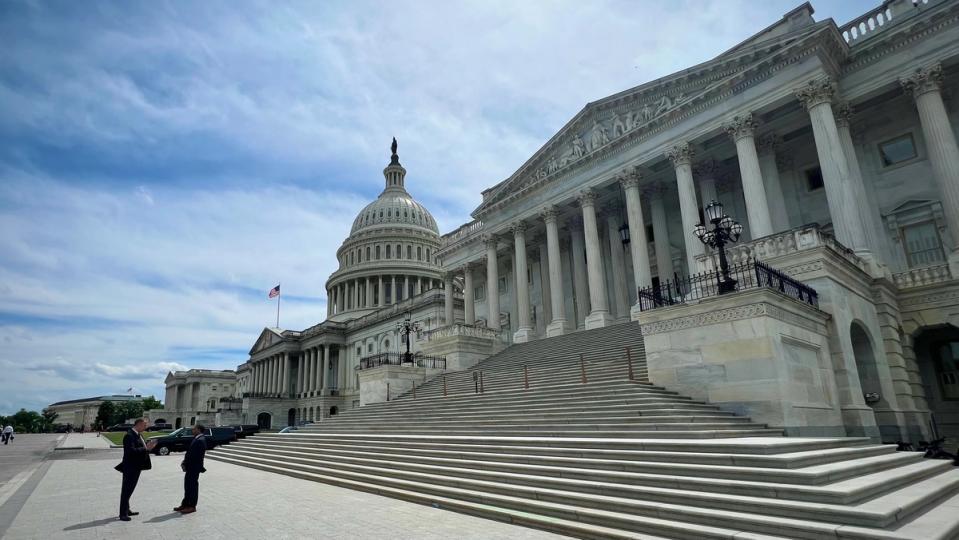
The U.S. Senate just passed a sweeping housing affordability bill by an 85-5 vote — and buried inside it is a provision that would formally ban the Federal Reserve from creating a central bank digital currency for the next four years. The 21st Century ROAD to Housing Act, which now heads to the House, is notable both for what it does and for what Republicans managed to attach to it.
On the housing side, the bill addresses a crisis that has been building for years. Home prices have outpaced wage growth for most of the past decade, mortgage rates remain elevated, and the national supply of affordable housing has fallen far behind demand. The bipartisan 85-5 vote suggests that even in a deeply divided Congress, the housing crunch is a problem both parties recognize.
But the CBDC ban is the provision that will have ripple effects far beyond housing. The language is explicit: "the Board of Governors of the Federal Reserve System or a Federal reserve bank may not issue or create a central bank digital currency or any digital asset that is substantially similar to a central bank digital currency directly or indirectly through a financial institution or other intermediary." That's a full stop — not a moratorium on research, not a restriction on pilot programs, but a prohibition on issuance.
The irony is that the Fed wasn't building a CBDC anyway. Former Chair Jerome Powell had said that even if the Fed considered one, it would have left the operation and management to banks — hardly the surveillance dystopia that Republican critics described. New Chair Kevin Warsh, however, called a CBDC a "bad policy choice" during his nomination hearing, aligning himself with the ban.
President Trump signed an executive order in January 2025 prohibiting his administration from pursuing a CBDC, calling it a threat to "the stability of the financial system, individual privacy, and the sovereignty of the United States." The Senate provision would turn that executive order — reversible at any time — into law with a four-year expiration at the end of 2030.
The political calculus is straightforward: Republicans have turned opposition to a digital dollar into a rallying cry about government surveillance and financial freedom. It plays well with a base skeptical of central authority over money. But the practical effect of banning something that wasn't being built is mostly symbolic — and symbols matter.
The global context makes the symbolism sharper. The European Central Bank is preparing a digital euro pilot for next year, with a full launch planned for 2029. China's digital yuan is already in circulation. By legislatively walling off the option, the U.S. is making a deliberate choice to sit out the next phase of monetary infrastructure — or at least to ensure that if it participates, it will be on terms set by Congress, not the Fed.
The four-year sunset is worth watching. It means the ban expires at the end of 2030, which is roughly when the digital euro and digital yuan will be fully operational. If those currencies succeed in reducing transaction costs, improving cross-border payments, and giving their governments new tools for monetary policy, the political calculus in Washington may shift. A technology that looks like a surveillance threat today could look like a competitive necessity in four years.
For now, the bill's dual nature — housing reform with a digital currency ban attached — is a reminder that in Washington, major legislation is rarely clean. The housing provisions will help millions of Americans if they become law. The CBDC ban will prevent the Fed from even exploring a tool that every other major central bank is actively developing. Whether that's prudent caution or a competitive mistake will become clear only in hindsight.
What This Means For You: If you're following crypto or digital payments, this is a significant signal: the U.S. government has formally decided that a Fed-issued digital dollar is off the table through 2030. That means stablecoins (USDC, USDT) and private-sector digital dollar solutions will continue to fill the gap — and their regulatory treatment will matter more than ever. If you're a homeowner or renter, the housing provisions in this bill could affect affordability, mortgage availability, and supply in your area — watch what happens in the House. And if you work in financial services, the CBDC ban removes one potential competitor from the landscape but also removes a potential modernization pathway. The U.S. isn't building a digital dollar, which means the payment infrastructure you rely on — ACH, wire transfers, card networks — will remain dominant for at least four more years. Progress on faster, cheaper payments will come from the private sector, or not at all.
Finance & Markets Editor
Originally sourced from CoinDesk
Related Stories
Young Voters Squeezed by Economy, Distrust in Political System: Poll
A new Harvard Youth Poll paints a sobering picture of the economic and political landscape facing yo...
World shares are mixed and oil prices jump more than 3% after the UAE says it will exit OPEC
World shares are mixed following a retreat on Wall Street, and oil prices gained on Iran war uncerta...
World Bank warns the 2020s are becoming a \'lost decade\' for the global economy - \'barring a miracle\'
Global growth is now projected to slow to just\u00a02.5% in 2026, the weakest pace outside of outrig...