U.S. mortgage rates are staying high - and the Federal Reserve can do little about it
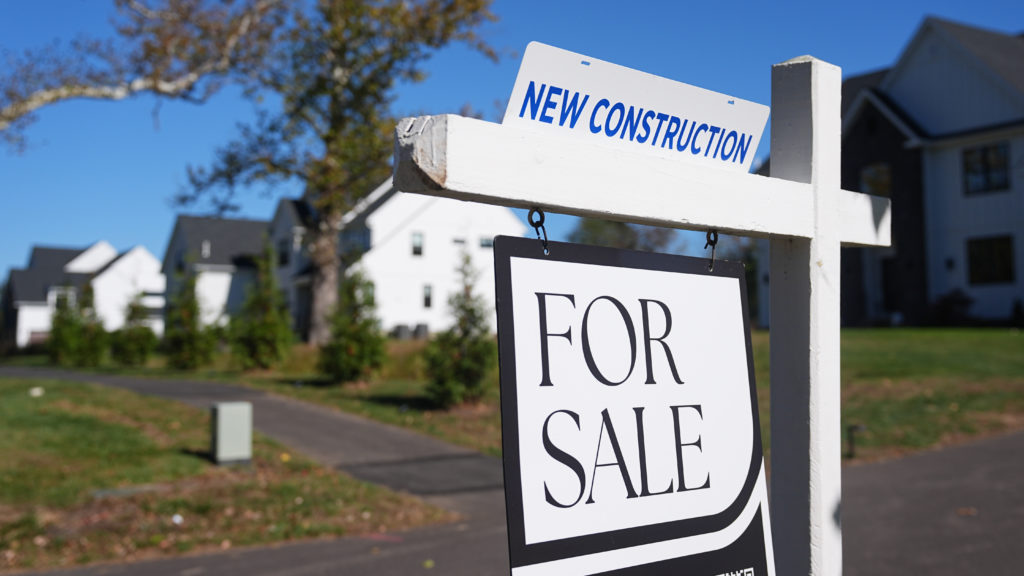
The 30-year mortgage rate now averages 6.48 percent, according to Freddie Mac data released June 4, a sharp climb from the 6 percent low seen in February and a stark reminder that for millions of Americans, the housing market remains effectively locked. Despite aggressive pressure from President Trump on the Federal Reserve to cut rates, and despite a series of rate cuts the Fed already made in 2024 and 2025, mortgage costs have moved in the wrong direction. The reason is simple but poorly understood: the Federal Reserve does not control mortgage rates.
The Fed directly influences the federal funds rate, the short-term overnight rate at which banks lend to each other. Many Americans assume that mortgage rates move in lockstep with Fed decisions, but they do not. Thirty-year mortgages are long-term assets. The investors who purchase them, whether directly or through mortgage-backed securities, are making bets on what inflation, economic growth, government borrowing, and interest rates will look like years and even decades into the future. The Fed can shift the short end of the curve, but the long end is set by markets.
So what is actually driving mortgage rates higher? Three forces are at work, and none of them are easily fixable by a Fed rate cut.
First, inflation has proven stickier than anyone expected. The Iran war drove oil prices up roughly 30 percent, which rippled through transportation costs, food prices, and virtually every category of consumer spending. The consumer price index ticked up to 3.8 percent annualized in April, nearly double the Fed's two percent target. Markets understand that if inflation stays elevated, the dollars they receive from mortgage payments years from now will be worth less, so they demand higher yields to compensate. No Fed rate cut can fix that calculation.
Second, government borrowing is crowding the market. The Treasury is issuing trillions in debt to finance deficit spending, including the military costs of the Iran conflict. That supply of government bonds competes with mortgage-backed securities for investor capital. When Treasury yields rise to attract buyers, mortgage rates must rise too to stay competitive. The government's borrowing needs are not shrinking — they are growing — which puts persistent upward pressure on long-term rates regardless of what the Fed does with short-term rates.
Third, the AI infrastructure boom is creating a new source of inflationary pressure that the Fed cannot easily ignore. Goldman Sachs estimates AI-related capital spending will approach $800 billion in 2026, with TrendForce placing the combined outlay of the top nine cloud providers near $830 billion. This spending creates demand for land, steel, copper, electricity, and construction labor — all of which bid up prices in ways that feed into the inflation data the Fed watches. Cutting rates while AI spending keeps inflation elevated would risk making the inflation problem worse, which is precisely the trap the Fed finds itself in.
The result is a housing market caught in a vise. Home prices remain near record highs because supply is constrained — not enough homes have been built to meet demand, and existing homeowners with 3 percent mortgages are reluctant to sell and give up their low rates. But at 6.48 percent, the monthly payment on a $400,000 mortgage is roughly $2,528, compared to $1,686 at 3 percent. That $842 monthly difference prices millions of potential buyers out of the market entirely.
For current homeowners who bought at low rates, the math is equally painful. They are effectively trapped in their homes. Selling means giving up a 3 percent mortgage and taking on a 6.48 percent one, which dramatically increases their monthly payment even if they downsize. This lock-in effect further constrains housing supply, which keeps prices elevated even as transaction volume falls.
The construction industry, which could theoretically increase supply and bring prices down, faces its own cost pressures. Lumber prices remain volatile, labor costs are rising due to competition from data center construction, and financing costs for developers have increased alongside mortgage rates. Fewer projects pencil out at current rates, which means fewer homes get built.
There is a potential path to lower rates, but it requires conditions that are not currently in place. Inflation would need to fall sustainably toward the Fed's two percent target, which requires either a resolution to the Iran war that brings energy prices down, or a significant slowdown in AI-related capital spending, or both. The government would need to reduce its borrowing, which would require either spending cuts or higher tax revenue or both. And markets would need to believe these conditions will persist, which would take months of consistent data to establish.
What This Means For You: If you are hoping to buy a home, the math is not in your favor right now. At 6.48 percent, you are paying roughly 80 percent more in monthly interest than someone who bought at 3 percent. Consider whether renting and investing the difference might produce better long-term returns than locking in at these rates. If you already own a home with a low-rate mortgage, hold onto it — there is no near-term path to rates that would make refinancing worthwhile. If you are a homeowner considering selling, understand that your buyer pool has shrunk dramatically. The housing market is not broken, but it is frozen, and the forces keeping it that way — war-driven inflation, government borrowing, AI spending — are structural, not temporary. Rates are not coming down meaningfully until those structural pressures change.
Finance & Markets Editor
Originally sourced from PBS News
Related Stories
Young Voters Squeezed by Economy, Distrust in Political System: Poll
A new Harvard Youth Poll paints a sobering picture of the economic and political landscape facing yo...
World shares are mixed and oil prices jump more than 3% after the UAE says it will exit OPEC
World shares are mixed following a retreat on Wall Street, and oil prices gained on Iran war uncerta...
Will the Economy Cost Republicans the Midterms? New Poll Shows Troubling Signs
A new Fox News poll released this week delivers a sobering message for Republicans heading into the ...