Trump Touts ‘Best Economy Ever.’ What the Data Shows
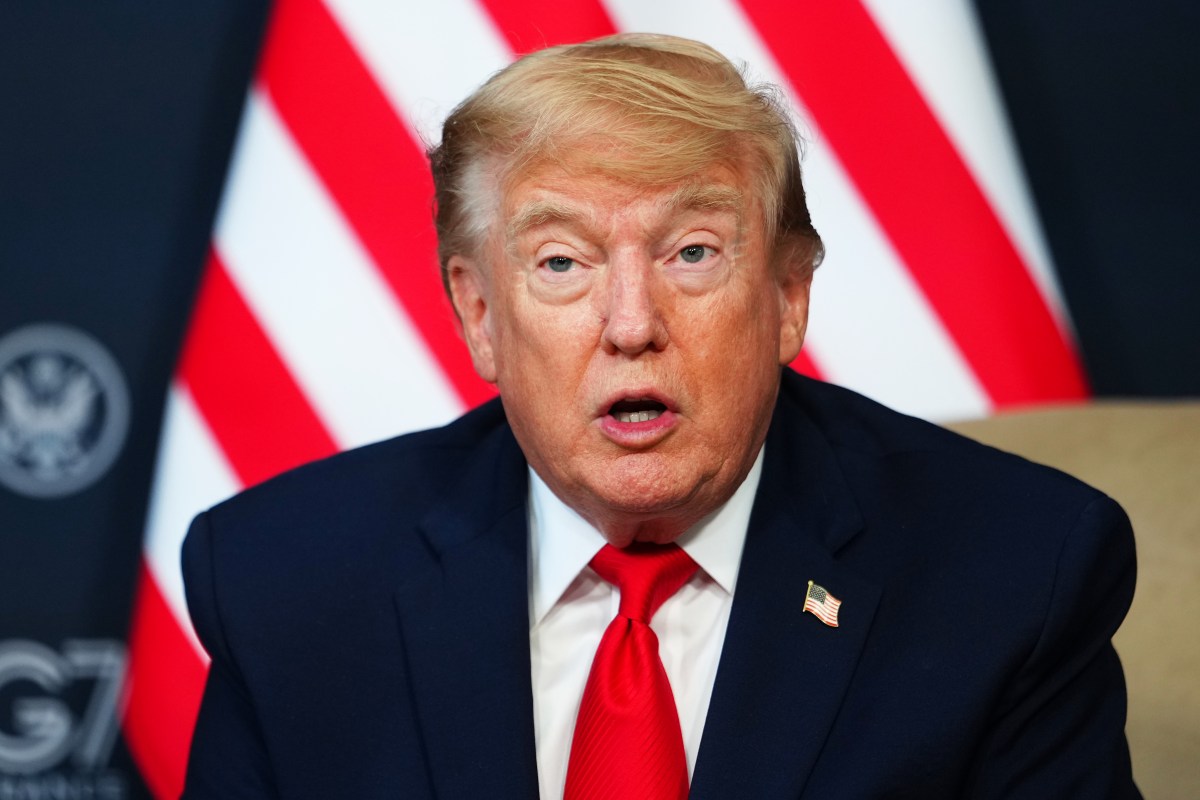
President Trump took to Truth Social on Sunday to declare that America is "winning like never before," pointing to strong job growth and record-setting stock market performance as evidence of an economy he calls the best in history. The reality, as always with economic data, is more complicated — and the gap between the president's optimism and what most Americans are experiencing has never been wider.
The headline numbers do tell part of a positive story. The economy added 172,000 jobs in May, more than double what analysts expected and the third straight month of better-than-forecast employment gains. The unemployment rate held at 4.3%, down from a recent peak of 4.5% last November. All three major stock indexes continue to set records, largely driven by an AI investment boom that has funneled hundreds of billions into tech infrastructure.
But dig beneath those headlines and the picture gets murkier. Roughly 159 million Americans are employed — a record in absolute terms, but one that mostly reflects population growth rather than exceptional labor market strength. Average monthly job gains of 114,000 in 2026, while improved from the first half of 2025, still lag behind the pace of the post-pandemic recovery and several stronger years earlier this decade.
The stock market rally, meanwhile, is increasingly concentrated in a handful of AI-forward tech giants. The so-called Magnificent Seven now account for roughly 35% of the S&P 500's total market capitalization, up from 23% five years ago. Goldman Sachs researchers warned recently that this "combination of elevated concentration and narrow market leadership poses a range of risks for investors, including greater sensitivity to earnings disappointment and the increased probability of a disorderly market correction." Translation: if AI sentiment shifts, the entire rally could reverse quickly.
Then there's inflation, which remains the clearest vulnerability in Trump's economic record. Gas prices, while falling as Iran war negotiations progress, are still significantly above pre-war levels. The Department of Labor's latest reading shows inflation running at 4.2% annually — the fastest pace since April 2023. Trump welcomed the figure ("I love the inflation"), arguing prices would drop further once the conflict ends. But for households already stretched thin, higher prices are not a future problem — they're a present-day crisis.
The public clearly isn't buying the victory lap. A CBS News poll conducted June 17-19 found only 34% of Americans approve of Trump's handling of the economy, while 66% disapprove. On inflation specifically, his support collapses to 27%, with 73% expressing doubt about his ability to control rising prices. An NPR/PBS News/Marist poll released Thursday put his economic approval at just 33% — the lowest across both of his terms, and 3 points below Biden's worst rating.
The University of Michigan's consumer sentiment index recovered slightly in June from an all-time low in May, but even the improvement leaves sentiment at the second-lowest level in records going back to 1952. Americans are telling pollsters and economists what their grocery bills and rent checks already confirm: the economy may be strong on paper, but it doesn't feel strong where it matters — in their wallets.
What This Means For You: The disconnect between macroeconomic indicators and lived experience is not just a political story — it's a financial planning reality. Even as the stock market hits records, inflation at 4.2% means your dollar buys noticeably less than it did a year ago. If you're invested heavily in tech, the concentration risk is real: a single AI sentiment shift could wipe out gains quickly. The strongest move right now may be diversification — spreading investments beyond the Magnificent Seven — while keeping cash reserves flexible enough to handle prices that, despite Trump's optimism, show no sign of returning to pre-war levels anytime soon.
Finance & Markets Editor
Originally sourced from Newsweek
Related Stories
Young Voters Squeezed by Economy, Distrust in Political System: Poll
A new Harvard Youth Poll paints a sobering picture of the economic and political landscape facing yo...
World shares are mixed and oil prices jump more than 3% after the UAE says it will exit OPEC
World shares are mixed following a retreat on Wall Street, and oil prices gained on Iran war uncerta...
World Bank warns the 2020s are becoming a \'lost decade\' for the global economy - \'barring a miracle\'
Global growth is now projected to slow to just\u00a02.5% in 2026, the weakest pace outside of outrig...