S&P Futures Gain Ahead of First Fed Decision Under Warsh
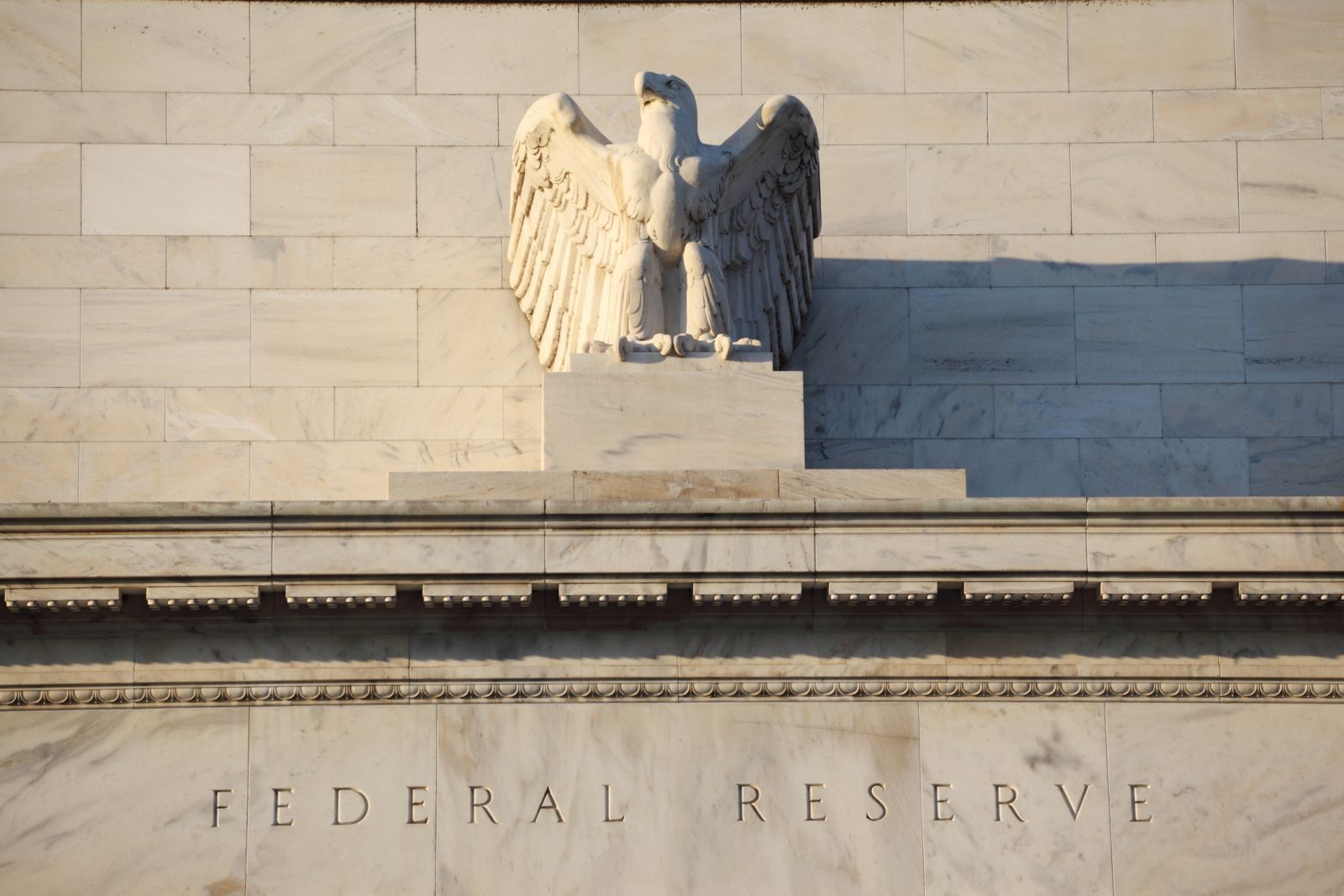
Markets are holding their breath. On Wednesday, the Federal Reserve will deliver its first interest rate decision under newly confirmed Chair Kevin Warsh, and the implications stretch far beyond whether rates move a quarter point.
S&P 500 futures edged up 0.11% in pre-market trading, but the calm is deceptive. This meeting carries more weight than most — not because of what the Fed will do, but because of what Warsh might signal about what comes next.
## What's Expected: No Move, But Plenty of Drama
The consensus is nearly unanimous: the Federal Open Market Committee will leave the federal funds rate unchanged at 3.50%–3.75%. The real action will be in the statement language, the updated dot plot, and Warsh's press conference debut.
Economists expect the Fed to remove its so-called "easing bias" — language that had previously suggested rate cuts were more likely than hikes. With the Iran conflict's energy-price shock still filtering through the economy, the committee may signal that its next move is just as likely to be a hike. There's also speculation that Warsh may choose not to submit his own dot plot projections, a move that would signal his skepticism of forward guidance and mark a sharp departure from the Powell era's emphasis on telegraphing policy intentions.
"Investors will be watching the Summary of Economic Projections closely for clues on whether rate hikes are truly on the table in the second half of the year — and if so, how many," said Bret Kenwell, analyst at eToro. "Depending on the tone and how much this meeting reshapes investor expectations, it could dictate the market's narrative for the next several weeks."
## The Data Backdrop: Inflation Lingers, Housing Craters
Tuesday's economic data painted a complicated picture. U.S. import prices surged 1.9% month-over-month in May, more than double the 0.9% economists expected — a clear signal that tariffs and supply disruptions from the Iran conflict are pushing costs higher. Yet the housing market told a different story: starts plummeted 15.4% to a six-year low of 1.177 million, well below the 1.43 million consensus, and building permits also missed expectations.
"We expect import prices to gradually decelerate in the second half of the year as geopolitical tensions ease and global supply conditions improve," said Vivian Chen at Nationwide Financial. But "gradually" doesn't help anyone shopping for a home right now.
Meanwhile, retail sales data due Wednesday morning is expected to show a 0.5% gain, and pending home sales are forecast to rise 0.8%. If those numbers come in weak, it could tip the Fed further toward caution.
## Warsh's First Test: Credibility on the Line
Kevin Warsh inherits a Fed at a crossroads. Inflation is running above target, the geopolitical situation remains volatile, and the labor market — while still solid — is showing cracks beneath the surface. His press conference will be scrutinized not just for policy substance but for tone, temperament, and whether he can project the kind of steady-handed confidence that markets crave from a central bank chief.
The comparison to Jerome Powell is inevitable. Powell's tenure was defined by a willingness to pivot — sometimes sharply — when conditions changed. Warsh, by contrast, has a reputation for being more hawkish and less inclined toward the kind of forward guidance that Powell used to manage market expectations. If Warsh signals that the Fed is seriously considering rate hikes, it could spook markets that have been pricing in eventual cuts. If he sounds too dovish, it could undermine the Fed's inflation-fighting credibility.
## Global Context: Everyone's Watching
This isn't just an American story. European markets are mixed, with the Euro Stoxx 50 up 0.43% as investors await the Fed decision alongside details of the U.S.-Iran peace agreement. The U.K. surprised economists with cooler-than-expected inflation (CPI at 2.8% year-over-year versus 3.0% expected), making the Bank of England's Thursday meeting look like a hold. Japan's Nikkei 225 hit a new record high, driven by AI-linked stocks and strong export data.
China is signaling a shift in its own monetary framework. People's Bank of China Governor Pan Gongsheng said the central bank will enhance management of short-term interest rates, moving toward an overnight-rate framework more aligned with global peers. It's a reminder that monetary policy is being rewritten everywhere — not just in Washington.
## Chip Stocks and Oil: The Market's Pulse
Pre-market movers tell a story of their own. Micron and Marvell both gained more than 2% in early trading, while Intel jumped 3% after announcing "risk production" of its 18A-P manufacturing process. These aren't random moves — semiconductor stocks have become a real-time barometer of AI investment sentiment, and their recovery after Tuesday's sell-off suggests investors are betting the Fed won't rock the boat too hard.
Oil prices are steadying after last week's volatility, with the U.S. and Iran preparing to formally sign their interim peace agreement in Switzerland on Friday. The WSJ reports the deal includes lifting sanctions on Iranian oil sales and ending blockades in the Strait of Hormuz. If that holds, the inflation picture improves considerably — and the case for rate hikes weakens.
## What This Means For You
**If you have a mortgage or are shopping for one:** The Fed's decision today won't directly move mortgage rates — those are tied to the 10-year Treasury yield, which is already at 4.44%. But Warsh's tone matters. A hawkish press conference could push yields higher, meaning higher borrowing costs for homes, cars, and credit cards. Conversely, any signal that the worst of inflation is behind us could send yields lower and unlock better rates in the weeks ahead.
**If you're invested in stocks:** Don't overreact to the headline. The rate decision itself is a nonevent. The press conference 30 minutes later is where the real money moves. Pay attention to Warsh's language on inflation, the dot plot, and whether he signals flexibility or rigidity. Markets hate uncertainty, and a new Fed chair with a different communication style introduces plenty of it.
**If you're watching your wallet:** Import prices jumping nearly 2% in a single month is a warning sign. Even if the Fed holds rates steady, the cost of goods — especially anything imported — is likely to stay elevated. Budget for higher prices through the summer, and keep an eye on whether the Iran peace deal actually brings oil and shipping costs down.
The bottom line: This is the start of a new era at the Fed, and the market is pricing in change without knowing what kind. That uncertainty is the story. Watch what Warsh says, not just what the committee decides.
Finance & Markets Editor
Originally sourced from Barchart
Related Stories
Young Voters Squeezed by Economy, Distrust in Political System: Poll
A new Harvard Youth Poll paints a sobering picture of the economic and political landscape facing yo...
World shares are mixed and oil prices jump more than 3% after the UAE says it will exit OPEC
World shares are mixed following a retreat on Wall Street, and oil prices gained on Iran war uncerta...
World Bank warns the 2020s are becoming a \'lost decade\' for the global economy - \'barring a miracle\'
Global growth is now projected to slow to just\u00a02.5% in 2026, the weakest pace outside of outrig...