Senate vote to confirm Kevin Warsh as Fed Chair scheduled for next week
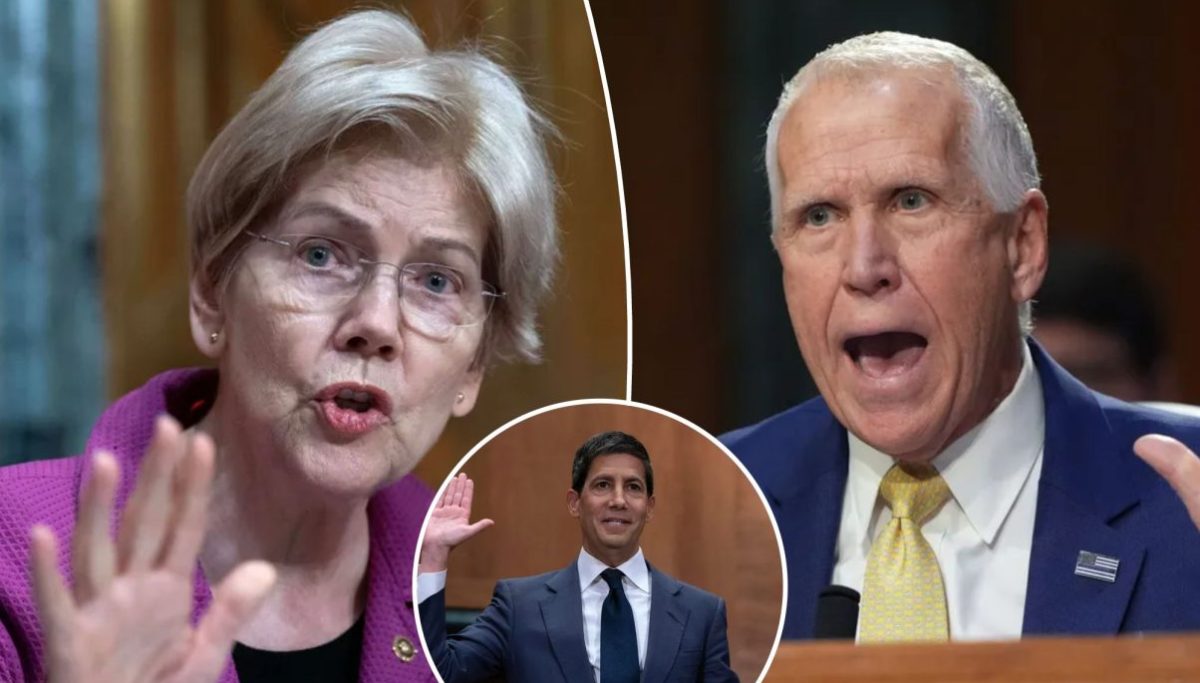
The Senate Banking Committee is scheduled to vote on Kevin Warsh's nomination as Federal Reserve Chairman on Wednesday, April 29, setting up what could be the most consequential central bank leadership change in over a decade.
Warsh, a former Federal Reserve governor and current Stanford Hoover Institution fellow, was nominated by President Trump to succeed Jerome Powell, whose term has been marked by escalating tension with the White House over interest rate policy. The Justice Department recently dropped its criminal investigation into Powell, but the administration's push to replace him has only accelerated.
Related
Take Control of Your Money: Top Personal Finance BooksThe right financial knowledge can change your trajectory.
The confirmation vote comes at a delicate moment for monetary policy. The Fed is navigating persistent inflation, a labor market that shows signs of softening, and the economic ripple effects of the Iran conflict on energy prices. Warsh has been a vocal critic of the Fed's post-2008 quantitative easing programs and has advocated for a more rules-based approach to monetary policy — a stance that could translate to tighter policy if confirmed.
Markets are watching closely. Warsh's perceived hawkishness has already contributed to bond yield volatility, as traders price in the possibility of a more aggressive rate posture. His confirmation would likely accelerate expectations for fewer rate cuts in 2026, which would ripple through mortgage rates, corporate borrowing costs, and equity valuations.
The Senate vote is not guaranteed. While Republicans hold a narrow majority on the Banking Committee, several moderate senators have expressed reservations about replacing Powell before his term expires, citing concerns about Fed independence and the precedent of removing a sitting chair over policy disagreements. Democratic opposition is unified.
What This Means For You: A Warsh-led Fed would likely be more hawkish than Powell's — meaning higher interest rates for longer, which affects your mortgage, credit cards, and savings account yields. If you're considering a home purchase or refinance, the next few weeks of confirmation hearings could move rates significantly. Pay attention to the April 29 committee vote; it's the single biggest near-term catalyst for borrowing costs in the US economy.
Related Stories
Young Voters Squeezed by Economy, Distrust in Political System: Poll
A new Harvard Youth Poll paints a sobering picture of the economic and political landscape facing yo...
Will the Economy Cost Republicans the Midterms? New Poll Shows Troubling Signs
A new Fox News poll released this week delivers a sobering message for Republicans heading into the ...
Why Visiting a Tiny Home Village Made Me Rethink Homeownership
For a generation burdened by housing costs, the tiny home movement is offering more than just a life...