Key Inflation Gauge Hits Three-Year High As Prices Increase Across Different Sectors Of The Economy
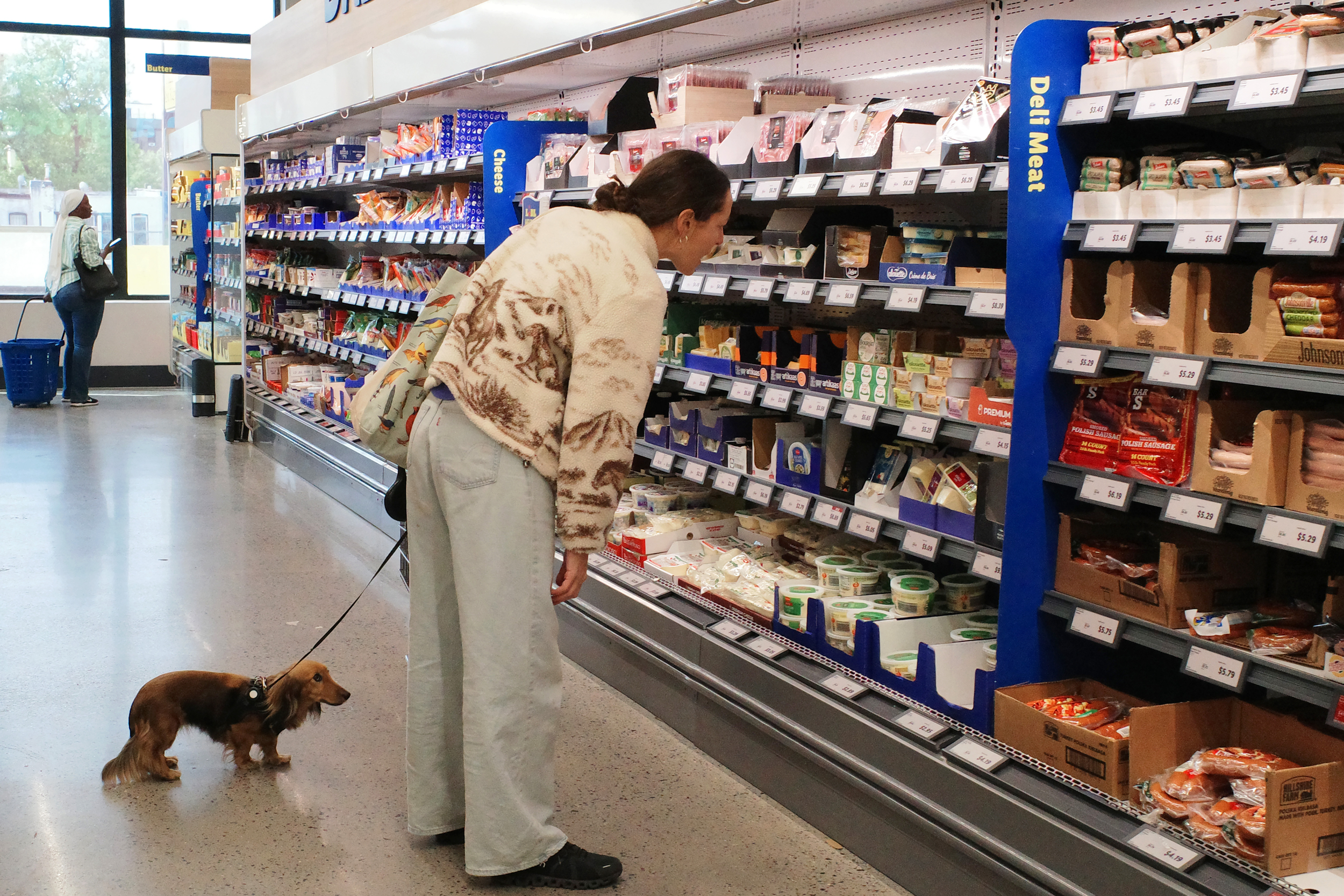
The Federal Reserve's preferred inflation gauge just hit its highest reading in three years, and the numbers paint an uncomfortable picture for anyone hoping for relief at the checkout counter. The personal consumption expenditures price index rose 3.8% in April from a year earlier, climbing from 3.5% in March and marking the sharpest annual increase since May 2023. Core inflation, which strips out volatile food and energy prices, wasn't much better at 3.3% year-over-year — the highest since October 2023.
The month-over-month figure offered a small mercy: prices rose 0.4% in April compared to March's blistering 0.7% jump. But that cold comfort does little for households that have watched their purchasing power erode for months. Personal income was flat in April, and after adjusting for inflation, it actually fell 0.1%. In plain terms, Americans earned roughly the same nominal dollars but could buy less with them.
Consumer spending told a similar story. Nominal spending rose 0.5%, but after inflation, that gain collapsed to just 0.1% — down from 0.3% the month before. People are paying more and getting less. Joe Brusuelas, chief economist at RSM, put it bluntly: signs of stress are building inside the American household across the economy. Inflation-adjusted disposable income and spending figures both point toward a slowdown in the months ahead.
What makes this inflation snapshot especially troubling is its breadth. It's not just gas and groceries anymore. Clothing prices are climbing. Electricity bills are up sharply. Dental visits, car repairs, and veterinary services have all posted notable increases. Toys cost more. Even the AI boom is playing a role: demand for data center infrastructure is apparently driving up costs for computer equipment and software, creating inflationary pressure in corners of the economy that usually sit out these conversations.
Gasoline remains the most visible symbol of the squeeze. AAA reported a national average around $4.43 a gallon on Thursday, after prices held above $4.50 for three straight weeks this month. That's nearly $1.50 more per gallon than before the Iran conflict sent oil markets into chaos. Every fill-up is a reminder that the economic disruption from geopolitical conflict has made its way directly into American wallets.
The broader growth picture is hardly reassuring. Gross domestic product grew at just a 1.6% annual pace in the first quarter, revised down from the government's earlier 2% estimate. That's better than the 0.5% crawl in the final quarter of 2025, when a 43-day federal shutdown dragged on output, but it still describes an economy that is barely keeping pace with population growth.
For the Federal Reserve, the data creates a painful dilemma. Rate cuts, which many on Wall Street had expected sometime this year, look increasingly difficult to justify when inflation is accelerating, not cooling. Some policymakers have even floated the possibility of a rate hike if the trend continues. The Fed's 2% target feels further away now than it did six months ago, and every month that inflation stays elevated increases the odds that rates stay higher for longer.
What This Means For You: If you've noticed your paycheck doesn't stretch as far lately, the data confirms it. Real wages are shrinking, and the inflation driving that erosion has spread beyond gas and food into services, clothing, and utilities. There's no quick fix coming — the Fed is unlikely to cut rates while inflation is climbing, meaning mortgage rates, auto loan rates, and credit card APRs will probably stay elevated through at least the end of the year. Budgeting for essentials, paying down variable-rate debt, and resisting lifestyle inflation aren't just good advice right now — they're survival strategies. The economy isn't in freefall, but it's limping, and the path back to 2% inflation looks longer and more uncertain than anyone hoped.
Finance & Markets Editor
Originally sourced from International Business Times
Related Stories
Young Voters Squeezed by Economy, Distrust in Political System: Poll
A new Harvard Youth Poll paints a sobering picture of the economic and political landscape facing yo...
World shares are mixed and oil prices jump more than 3% after the UAE says it will exit OPEC
World shares are mixed following a retreat on Wall Street, and oil prices gained on Iran war uncerta...
Will the Economy Cost Republicans the Midterms? New Poll Shows Troubling Signs
A new Fox News poll released this week delivers a sobering message for Republicans heading into the ...