IMAX Potential Sale Report Sends Shockwaves Through Stock Market
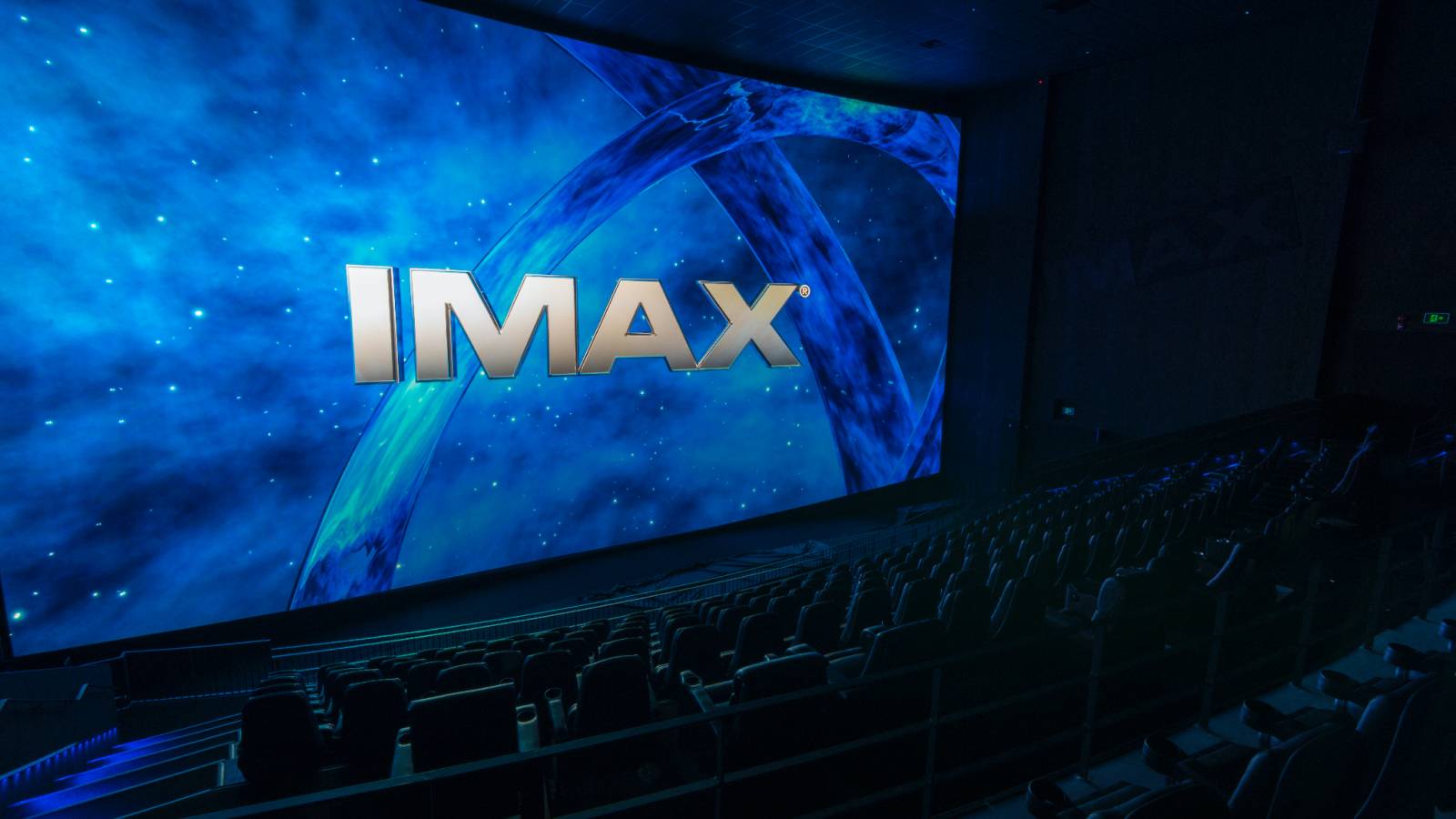
IMAX shares surged Thursday after a report that the company is exploring a sale, sending shockwaves through both the entertainment industry and the broader market. But behind the stock movement lies a much bigger question: what happens to premium cinema when one of its most iconic brands changes hands?
## What We Know
IMAX Corporation is reportedly exploring strategic alternatives including a potential sale, according to people familiar with the matter. The company has not confirmed the report, but the market responded immediately — shares jumped over 15% in early trading before giving back some gains.
The timing is notable. IMAX has been riding a wave of strong box office results driven by films that leverage its massive screens as a premium experience differentiator. The company's network has expanded to over 1,700 screens across 90 countries, and its brand has become synonymous with event-level moviegoing.
## Who Would Buy IMAX?
The buyer universe for IMAX is surprisingly diverse:
**Streaming giants.** Netflix, Apple, and Amazon have all invested heavily in theatrical releases as part of their content strategies. Owning IMAX would give any of them a direct pipeline to premium theatrical exhibition — and a way to differentiate their tentpole releases from everything else on their platforms.
**Private equity.** IMAX's licensing model, which charges theaters to install screens and then takes a cut of ticket revenue, generates predictable recurring revenue. That's the kind of business model private equity firms love. A leveraged buyout could extract significant value, though it could also mean cost-cutting and reduced investment in new technology.
**Chinese conglomerates.** IMAX's fastest growth has been in China, where the company has expanded aggressively. A Chinese buyer could accelerate that expansion further — though regulatory scrutiny from both U.S. and Chinese authorities would be intense given the strategic nature of entertainment infrastructure.
**Traditional studio groups.** Sony, Disney, or Universal could integrate IMAX into their distribution strategies, ensuring premium screens prioritize their content. But antitrust concerns around vertical integration could make regulatory approval complicated.
## What a Sale Means for Moviegoers
For audiences, the impact depends entirely on who buys:
If a streaming company acquires IMAX, expect deeper integration between theatrical releases and streaming debuts. The window between IMAX premiere and streaming availability could shrink, which benefits viewers who prefer watching at home but risks devaluing the theatrical experience that makes IMAX special.
If private equity takes over, look for cost optimization — which could mean higher ticket prices, fewer new screen installations, and potentially less investment in IMAX's next-generation technology like laser projection and immersive audio.
If a studio buys IMAX, other studios may find their films getting less favorable screen allocation or scheduling. The open-access model that currently allows any distributor to book IMAX screens could face pressure.
## The Investment Angle
IMAX's stock surge presents a classic dilemma: buy the rumor, sell the news, or hold for a premium?
Historical precedent suggests acquisition targets often trade above the deal price during speculation, then settle back if a deal falls through or closes at a modest premium. IMAX's current valuation already reflects significant takeover speculation, meaning the upside from here depends on whether a buyer pays a premium above current prices.
For long-term investors, the thesis for IMAX hasn't changed: premium theatrical experiences are one of the few segments of the movie business that's actually growing, and the brand has genuine pricing power. Whether that's worth owning at a speculative premium is a different question.
## What This Means For You
**If you're a moviegoer:** Nothing changes immediately. IMAX theaters will continue operating as normal regardless of ownership. But pay attention to who buys — it could affect what films get IMAX releases and how quickly they hit streaming.
**If you're an investor:** The risk-reward is tilted toward caution here. The easy money has been made on the rumor. Buying now means betting that a deal closes at a significant premium to current prices. Consider whether IMAX's standalone business — without a sale — justifies the current valuation.
**If you work in exhibition:** IMAX's next owner will set the tone for premium cinema for the next decade. A streaming-oriented owner could push for faster digital transitions. A private equity buyer might squeeze theater operators on licensing terms. A studio owner could change how screen access works for independent distributors.
**If you're an indie filmmaker:** IMAX has been increasingly open to booking non-blockbuster content. A change in ownership could reverse that trend or accelerate it, depending on the buyer's strategy. The next few months of deal speculation are the time to advocate for continued open access.
The IMAX sale story is ultimately about more than one company — it's about who controls the premium moviegoing experience, and whether that experience remains a public good or becomes a strategic asset for whichever giant writes the biggest check.
Finance & Markets Editor
Originally sourced from Screen Rant
Related Stories
Young Voters Squeezed by Economy, Distrust in Political System: Poll
A new Harvard Youth Poll paints a sobering picture of the economic and political landscape facing yo...
World shares are mixed and oil prices jump more than 3% after the UAE says it will exit OPEC
World shares are mixed following a retreat on Wall Street, and oil prices gained on Iran war uncerta...
Will the Economy Cost Republicans the Midterms? New Poll Shows Troubling Signs
A new Fox News poll released this week delivers a sobering message for Republicans heading into the ...