Federal Reserve Survey: Costs, Volatile Market Top Concerns in the Corn Belt
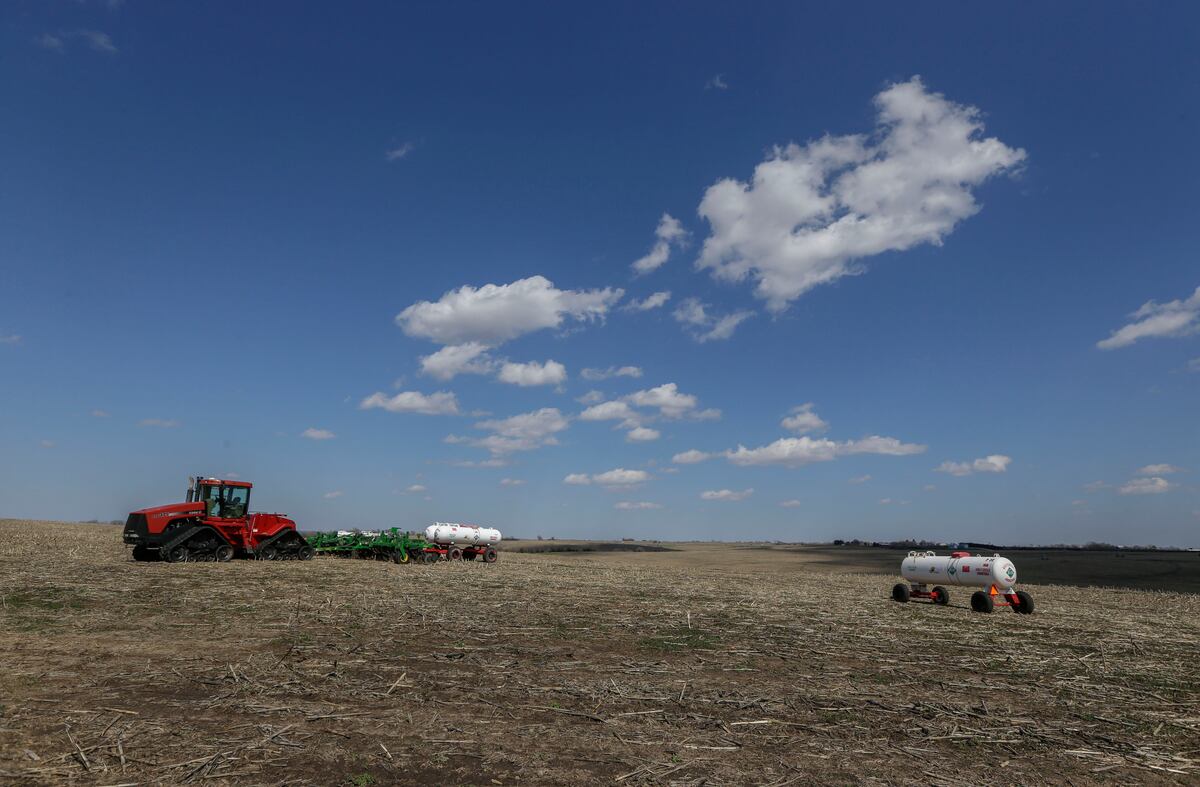
A new Federal Reserve survey reveals that farmers across the Corn Belt are increasingly worried about surging input costs and market volatility, painting a sobering picture of the economic pressures facing American agriculture.
The survey highlights two primary concerns: the sharp rise in fertilizer and fuel prices, and the unpredictable swings in commodity markets. Together, these factors are squeezing profit margins for farmers who are already operating on thin margins in a challenging economic environment.
Related
Take Control of Your Money: Top Personal Finance BooksThe right financial knowledge can change your trajectory.
Fertilizer costs have been a persistent pain point for several years, driven by supply chain disruptions, international trade restrictions, and concentrated market power among a small number of global producers. Fuel prices add another layer of cost pressure, affecting everything from planting and harvesting to transportation of goods to market.
Commodity market volatility creates a different kind of challenge. Even when crop prices are high at planting time, there is no guarantee they will remain so by harvest. Farmers must make significant upfront investments based on uncertain future returns, a risk that volatile markets amplify considerably.
The Corn Belt — stretching across states like Iowa, Illinois, Indiana, and Nebraska — is the heartland of American grain production. When farmers in this region feel financial pressure, the effects ripple through the entire food supply chain. Higher production costs at the farm level eventually translate into higher prices at the grocery store.
The Federal Reserve's interest in agricultural conditions reflects the sector's importance to the broader economy. Farm income affects rural communities, agricultural lending, equipment sales, and ultimately consumer food prices. The survey data helps inform monetary policy decisions that affect all Americans.
What This Means For You: What happens on Corn Belt farms eventually shows up on your grocery bill. Rising fertilizer and fuel costs, combined with volatile crop prices, mean the food inflation you've been experiencing isn't going away anytime soon. If you budget carefully for groceries, expect continued pressure in the grains, meat, and dairy aisles. For investors, agricultural ETFs and commodity funds may see increased activity as markets price in these supply-side challenges.
Originally sourced from Shaw Local Enewspapers