Don't Count on Rate Cuts Just Yet: Warsh as Fed Chair May Not Lead to Big Policy Changes
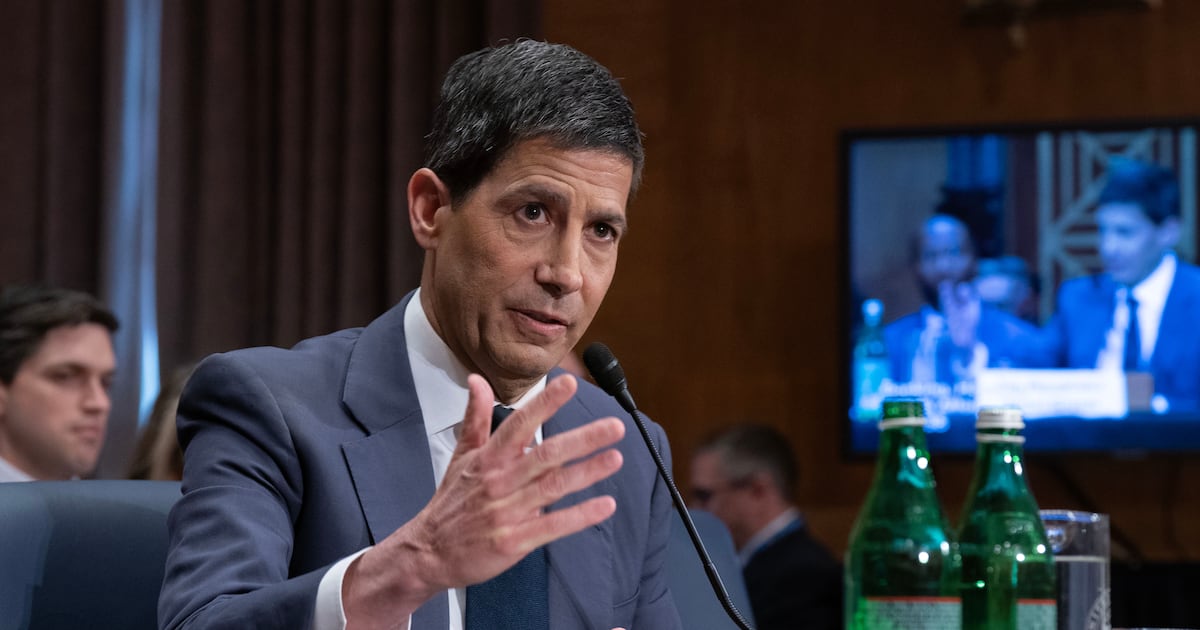
A changing of the guard at the Federal Reserve is about to take place, but anyone hoping for a quick wave of interest rate cuts may want to temper their expectations. Kevin Warsh is widely expected to succeed Jerome Powell as Fed chair when Powell's term ends on May 15, and President Trump has been vocal about wanting rate cuts. The reality, however, is far more complicated.
Even if Warsh is confirmed and personally inclined to lower rates, he faces significant obstacles. First, there's the matter of the other 11 Federal Reserve policymakers who also vote on rate decisions — and most of them aren't ready to cut. The Fed operates by committee, not by fiat, and the chair is just one voice among many.
Related
Take Control of Your Money: Top Personal Finance BooksThe right financial knowledge can change your trajectory.
Then there's the inflation problem. Rising gas prices are pushing consumer costs upward, creating a headwind against rate cuts. The Fed's dual mandate includes price stability, and cutting rates while inflation pressures are building would send the wrong signal about the central bank's commitment to keeping prices in check.
Questions about Warsh's political independence add another layer of complexity. If his appointment is seen as purely a political move to deliver rate cuts favored by the White House, it could undermine the Fed's credibility — which is arguably its most valuable asset. Markets react to Fed credibility, and any erosion of that trust could actually push borrowing costs higher, not lower.
The bottom line: a new Fed chair doesn't automatically mean new Fed policy. The institutional forces that govern rate decisions — inflation data, employment figures, and the collective will of the Federal Open Market Committee — remain firmly in place regardless of who holds the gavel.
What This Means For You: Don't make financial decisions based on the assumption that rates will drop soon. If you're shopping for a mortgage, an auto loan, or considering a business expansion that depends on cheaper borrowing, plan for the current rate environment to persist for a while longer. Locking in rates now rather than waiting for cuts that may be slow to arrive could save you from opportunity costs down the road.
Originally sourced from The Atlanta Journal-Constitution