Do Michelin Energy Saver A/S Tires Improve Fuel Economy?
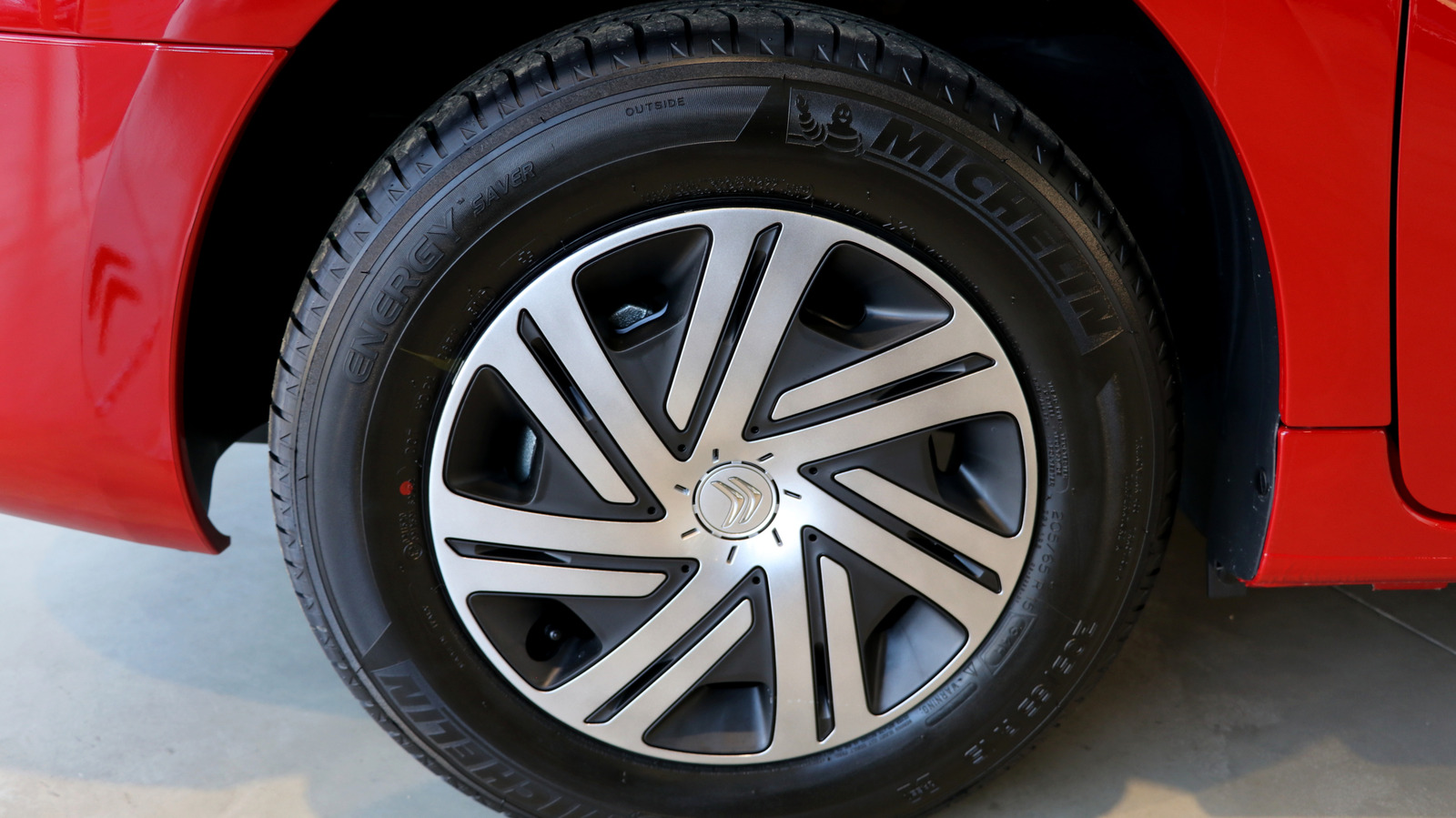
Michelin's Energy Saver A/S tires have long been marketed as a fuel-efficient alternative to standard all-season tires, but a closer look at the data reveals a more nuanced picture. The tires use a specialized rubber compound and optimized tread design to reduce rolling resistance, which is the force required to keep the tires moving at a constant speed. According to Michelin's own testing, the Energy Saver A/S can improve fuel economy by roughly 4-8% compared to conventional tires, depending on driving conditions and vehicle type.
However, independent testing by Consumer Reports and other organizations has shown that real-world fuel savings tend to fall on the lower end of that range. The trade-off is comfort and grip: the Energy Saver A/S generally scores lower in wet braking and handling compared to Michelin's premium all-season offerings like the Pilot Sport A/S 4. For drivers who log significant highway miles, the fuel savings can offset the performance compromises over the tire's lifespan. But for city drivers with short commutes, the math rarely works out. The tires typically cost 15-20% more than standard all-seasons, meaning the fuel savings need to accumulate over tens of thousands of miles to break even.
Related
Take Control of Your Money: Top Personal Finance BooksThe right financial knowledge can change your trajectory.
What This Means For You: If you're a high-mileage highway driver, fuel-efficient tires like the Michelin Energy Saver A/S can genuinely save you money at the pump over time. But if most of your driving is stop-and-go city traffic, you're better off prioritizing wet grip and braking performance — the fuel savings won't compensate for the reduced safety margin.
Finance & Markets Editor
Originally sourced from SlashGear
Related Stories
Young Voters Squeezed by Economy, Distrust in Political System: Poll
A new Harvard Youth Poll paints a sobering picture of the economic and political landscape facing yo...
World shares are mixed and oil prices jump more than 3% after the UAE says it will exit OPEC
World shares are mixed following a retreat on Wall Street, and oil prices gained on Iran war uncerta...
Will the Economy Cost Republicans the Midterms? New Poll Shows Troubling Signs
A new Fox News poll released this week delivers a sobering message for Republicans heading into the ...